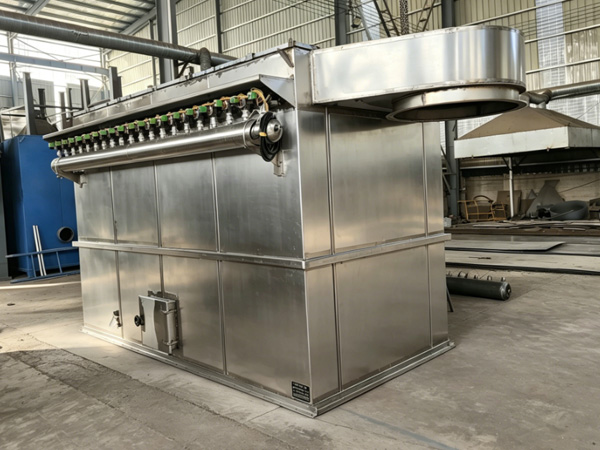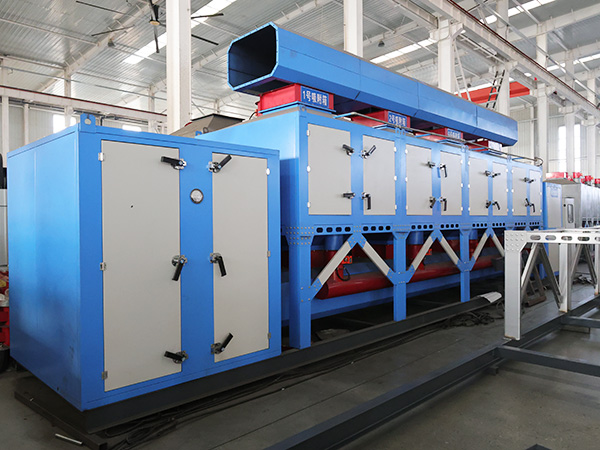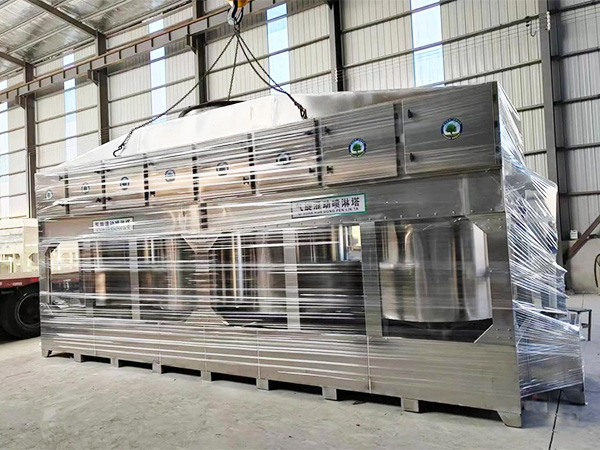
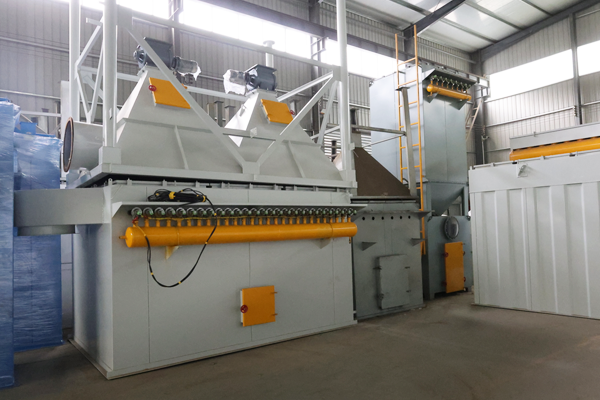







Activated Carbon Adsorption Box for VOC Treatment
Principles of Activated Carbon Adsorption Technology
Volatile organic compounds represent a significant challenge for industries ranging from painting and coating operations to chemical manufacturing and pharmaceutical production. These airborne contaminants contribute to smog formation, pose health risks to workers, and often carry unpleasant odors that affect surrounding communities. Activated carbon adsorption boxes provide an effective solution by leveraging the remarkable surface area and adsorptive properties of specially treated carbon materials.
The adsorption process occurs when VOC molecules physically attach to the extensive internal surface area of activated carbon particles. One gram of high-quality activated carbon can possess surface areas exceeding 1,000 square meters, providing countless adsorption sites for contaminant molecules. As polluted air passes through the carbon bed, organic compounds are trapped within the porous structure while cleaned air continues through the system outlet.
Design Features of Modern Adsorption Units
Contemporary activated carbon adsorption boxes incorporate several engineering refinements that enhance performance and operational convenience. Modular construction allows for easy installation and capacity expansion as treatment requirements change. Multiple carbon beds arranged in series or parallel configurations ensure consistent removal efficiency even as individual beds approach saturation.
Quality systems from established manufacturers feature robust housings constructed from corrosion-resistant materials suitable for demanding industrial environments. Proper carbon bed depth and airflow distribution ensure maximum contact between contaminants and adsorption media. Advanced designs include monitoring ports that allow operators to track breakthrough—the point when carbon becomes saturated and requires replacement or regeneration.
Industrial Applications and Use Cases
Activated carbon adsorption technology finds application across diverse industries where VOC control is essential. Painting and coating facilities use these systems to capture solvent vapors that would otherwise escape into the atmosphere. Chemical processing plants employ carbon adsorption to recover valuable organic compounds while meeting emission regulations. Printing operations, furniture manufacturing, and automotive finishing all benefit from effective VOC removal.
The technology proves particularly valuable for handling low-concentration VOC streams where thermal destruction methods would prove economically impractical. Carbon adsorption also serves as a polishing step following other treatment technologies, ensuring final compliance with stringent emission limits. Factories dealing with odor complaints from neighboring properties often find that properly sized adsorption systems resolve community relations issues effectively.
Operational Considerations and Maintenance
Successful implementation of activated carbon adsorption requires understanding several operational factors that influence system performance and cost-effectiveness. Carbon capacity varies depending on the specific VOCs present, their concentrations, and operating conditions including temperature and humidity. Higher temperatures reduce adsorption efficiency, while excessive moisture can impair carbon's ability to capture organic compounds.
Regular maintenance ensures continued effectiveness and prevents operational disruptions. Operators must monitor pressure drop across the carbon bed, increasing resistance indicates accumulated particulates that may require pre-filtration attention. Tracking breakthrough through periodic sampling or installed sensors allows timely carbon replacement before emissions exceed permitted levels. Working with knowledgeable suppliers helps facilities establish appropriate maintenance schedules and procedures.
Environmental and Economic Benefits
Beyond regulatory compliance, activated carbon adsorption offers substantial environmental and economic advantages. Unlike some treatment alternatives that simply convert contaminants to different forms, properly managed adsorption systems can enable recovery and reuse of captured organic compounds. This approach aligns with sustainable manufacturing principles while reducing raw material costs for certain applications.
The relatively low energy requirements of adsorption systems contribute to favorable operating economics compared to thermal oxidation alternatives. Modular designs allow facilities to start with minimum necessary capacity and expand incrementally as operations grow. When sourced from reputable manufacturers with proven track records, these systems deliver reliable performance over extended service lives with predictable maintenance costs.
References
United States Environmental Protection Agency. (2024). Control Technology for Volatile Organic Compound Emissions. EPA Air Pollution Control Manual.
American Institute of Chemical Engineers. (2024). Chemical Engineering Progress: Adsorption Technology for Air Pollution Control.
World Health Organization. (2024). Guidelines for Indoor Air Quality: Selected Pollutants. WHO Regional Office for Europe.