






Activated Carbon Adsorption Box: Industrial VOC Control Solution
Activated carbon adsorption boxes provide proven solutions for controlling volatile organic compounds (VOCs), odors, and gaseous pollutants in industrial settings. These systems leverage the exceptional adsorption capacity of activated carbon to capture contaminants from air streams, making them essential components in modern environmental compliance strategies. This comprehensive guide explores the technology, selection criteria, and operational best practices for industrial carbon adsorption applications.
Understanding Adsorption Technology
Activated carbon operates through adsorption, a surface phenomenon where contaminant molecules adhere to the carbon surface area. The extensive internal surface area of activated carbon, typically ranging from 800 to 1500 square meters per gram, provides tremendous capacity for capturing pollutants. This physical adsorption process operates effectively at ambient temperatures without generating additional pollutants.
The adsorption process reaches equilibrium when the carbon surface becomes saturated with contaminant molecules. At this point, the activated carbon requires replacement or regeneration. Understanding this cycle enables proper system sizing and maintenance scheduling for continuous operation.
System Components and Design
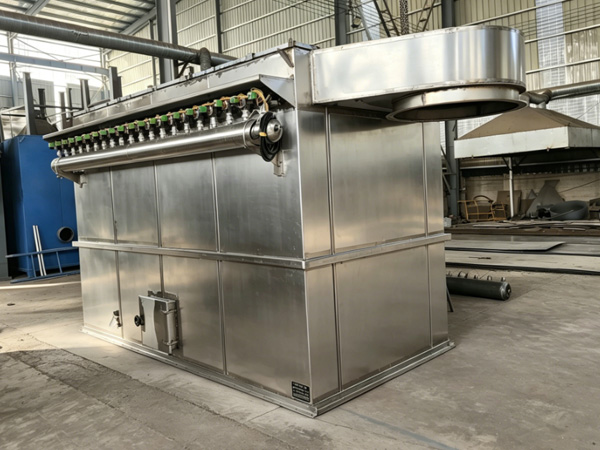
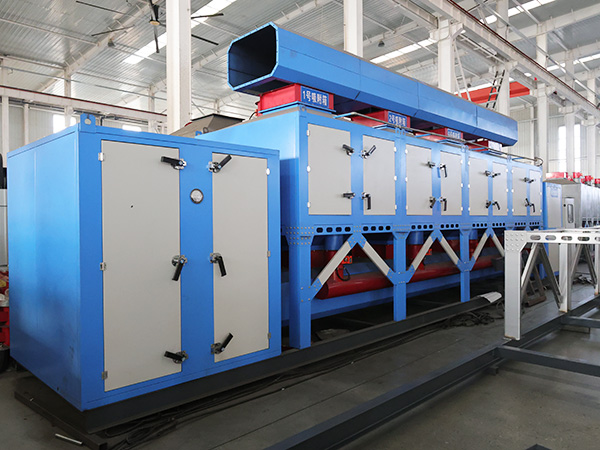
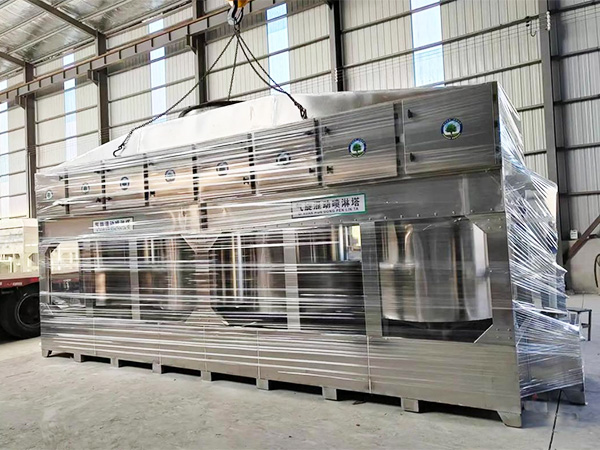
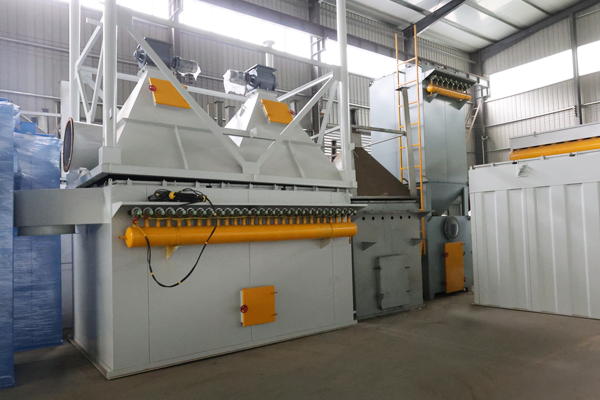
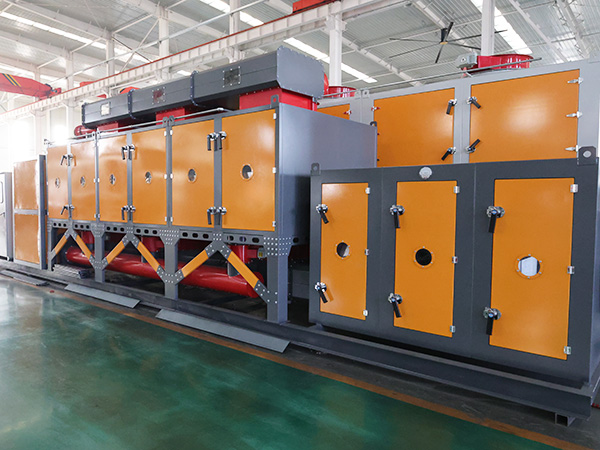
A complete activated carbon adsorption system includes multiple components working together. The adsorption vessel contains the activated carbon media, typically configured as a rectangular or cylindrical vessel sized for the specific airflow requirements. Inlet and outlet duct connections facilitate integration with existing ventilation systems.
The vessel interior includes support grids that maintain carbon bed integrity while allowing airflow. Differential pressure monitoring ports enable performance tracking. Access doors facilitate carbon loading and replacement. Some systems incorporate pre-filters to remove particulate matter that could blind the carbon bed.
Activated Carbon Types and Selection
Powdered activated carbon (PAC) provides maximum surface area but creates higher pressure drops. Pelleted activated carbon (PAC) offers easier handling and lower pressure drops, making it preferred for most industrial applications. The pellet form maintains consistent particle size and airflow distribution.
Carbon selection should match the specific contaminants in the application. Different activation processes produce carbons with varying pore structures optimized for different molecular sizes. For mixed contaminant streams, blended carbon grades or multiple adsorption stages may be necessary.
Applications Across Industries
Activated carbon adsorption serves diverse industrial applications. Printing and coating operations use these systems to capture solvent vapors, meeting environmental regulations while enabling solvent recovery. Chemical processing facilities control process emissions and odors through carbon adsorption.
Food processing, pharmaceutical manufacturing, and wastewater treatment facilities employ carbon adsorption for odor control. The automotive refinishing industry relies on carbon adsorption to capture overspray and solvent vapors during painting operations.
Sizing and Configuration
Proper system sizing ensures adequate contact time between contaminated air and carbon media. Contact time, measured in seconds, determines the carbon bed depth required for target removal efficiency. Higher contaminant concentrations require longer contact times.
The carbon bed cross-sectional area determines the maximum airflow capacity. Excessive face velocities reduce contact time and removal efficiency. Industry guidelines suggest maximum face velocities of 100 feet per minute for most applications, with lower velocities for higher removal requirements.
Installation Requirements
Successful activated carbon system installation requires attention to ductwork design and system placement. The adsorption unit should be positioned to allow easy access for maintenance while minimizing ductwork runs. Proper duct sizing prevents velocity losses that reduce system effectiveness.
Structural support must accommodate the substantial weight of activated carbon beds. A typical carbon bed weighs approximately 30 to 35 pounds per cubic foot. Floor or roof mounting requires structural verification to support operational loads safely.
Operation and Maintenance
Regular monitoring ensures consistent system performance. Tracking pressure differential across the carbon bed indicates loading status and remaining capacity. Sudden pressure changes may indicate channeling or bed short-circuiting that requires attention.
Carbon replacement intervals vary based on contaminant loading and concentration. Some facilities implement carbon rotation programs that extend media life while maintaining performance. Tracking operating parameters enables predictive maintenance scheduling.
Regulatory Compliance
Activated carbon adsorption helps facilities meet increasingly stringent environmental regulations. The Environmental Protection Agency and state authorities regulate VOC emissions across multiple industrial sectors. Documentation of system performance supports regulatory compliance demonstrations.
Many environmental permits specify carbon adsorption as an acceptable control technology. Meeting permit requirements requires properly sized systems and consistent operation. Regular testing verifies continued performance compliance.
Cost Considerations and Optimization
System costs include initial capital investment, carbon media consumption, and maintenance activities. Optimizing system configuration reduces operating costs while maintaining compliance. Some facilities implement carbon regeneration systems that extend media life through thermal or steam treatment.
Working with experienced suppliers ensures proper system selection and ongoing support. Many manufacturers offer performance guarantees that transfer operational risk. The total cost of ownership analysis guides procurement decisions for new installations.
Future Technology Developments
Advances in carbon technology continue improving adsorption capacity and selectivity. New activation processes produce carbons optimized for specific contaminant profiles. Alternative media including zeolites and polymeric adsorbents offer solutions for applications where activated carbon limitations exist.
Smart monitoring systems enable predictive maintenance and performance optimization. Integration with facility management systems provides real-time visibility into system operation. These developments represent the future of industrial adsorption technology.
References
1. U.S. Environmental Protection Agency. (2024). Control of Volatile Organic Compound Emissions. EPA Guidelines.
2. American Conference of Governmental Industrial Hygienists. (2023). Industrial Ventilation Manual. ACGIH Publishing.
3. International Society of Environmental Engineers. (2024). Adsorption Technology in Industrial Applications. ISEE Technical Reports.
4. European Environmental Agency. (2023). Best Available Techniques for VOC Control. EEA Documentation.
Global distributors are welcome to contact us for partnership opportunities. We invite distributors worldwide to join our network and grow together in the industrial equipment market.