






Baghouse Dust Collector Working Principle and Applications
Baghouse dust collectors remain the workhorse of industrial air pollution control, capturing particulate matter across countless manufacturing processes. These systems use fabric filter bags to trap dust particles while allowing clean air to pass through. Understanding how baghouses work helps plant engineers select appropriate configurations and maintain optimal performance for their specific applications.
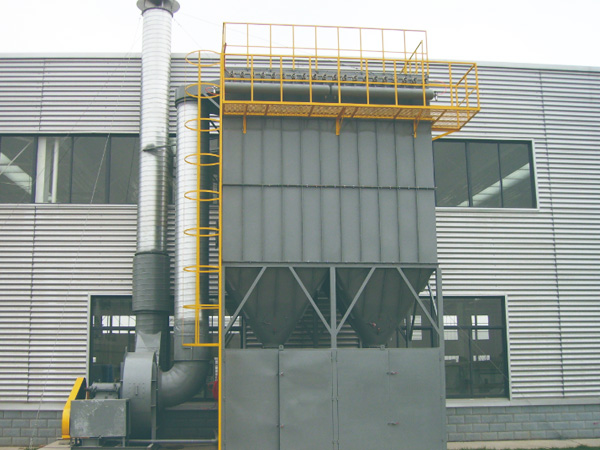
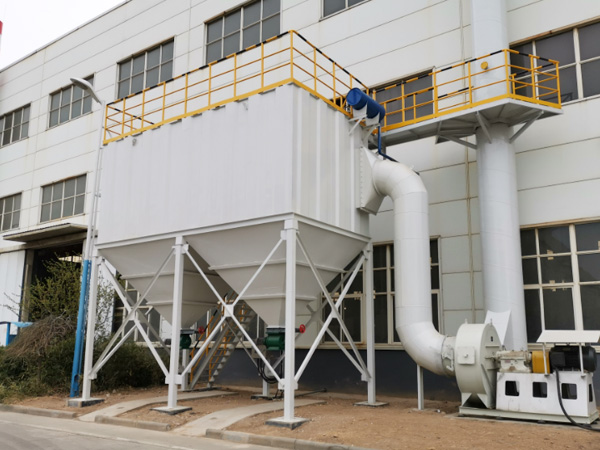
Basic Working Principle of Baghouse Systems
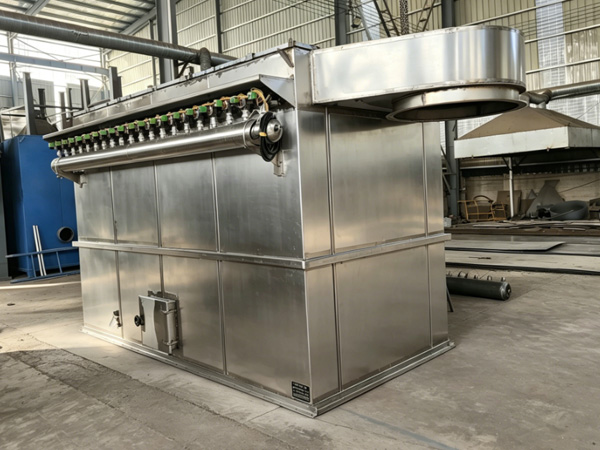
Baghouse dust collectors operate on a straightforward principle: dust-laden air enters the collector housing and passes through permeable fabric filter bags. Particles too large to pass through the fabric weave are captured on the bag surface or within the fabric structure. Cleaned air exits through the bag interior and discharges from the collector.
Professionaldust collector manufacturers engineer their baghouse systems with optimized airflow patterns, appropriate filtration velocities, and efficient cleaning systems. These design features ensure high collection efficiency while maintaining reasonable pressure drop across the filter media.
Pulse Jet Cleaning Mechanism
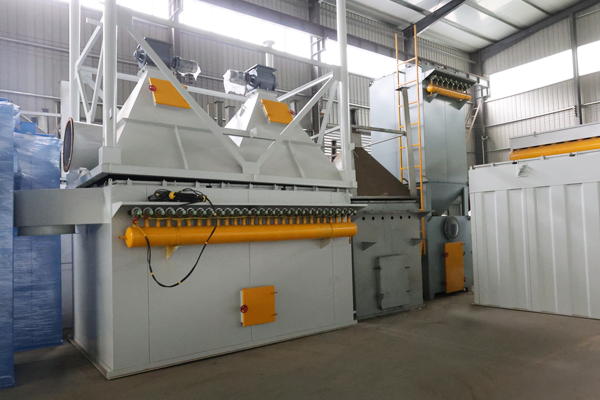
Modern baghouse collectors use pulse jet cleaning to remove accumulated dust from filter bags. Short bursts of compressed air (pulses) inject into the bag interior, causing the fabric to flex and dislodge collected dust. The dislodged dust falls into hoppers below for collection and disposal.
Leadingbaghouse suppliers design their pulse jet systems with appropriate nozzle configurations, pulse timing controls, and compressed air management. These design elements ensure effective cleaning without excessive compressed air consumption that drives operating costs upward.
Filter Bag Materials and Selection
Filter bag material selection depends on process temperature, chemical environment, and particle characteristics. Common materials include polyester (up to 130°C), polyphenylene sulfide or PPS (up to 190°C), polytetrafluoroethylene or PTFE (up to 260°C), and fiberglass (up to 260°C with PTFE coating).
Experiencedfilter bag manufacturers maintain comprehensive material compatibility databases and can recommend appropriate bag materials based on process conditions. They also provide bag life expectancies and replacement cost estimates that support maintenance planning and budget development.
Baghouse Housing and Flow Design
Proper housing design ensures uniform airflow distribution across all filter bags. Poor airflow distribution causes some bags to be overloaded while others are underutilized—reducing overall collection efficiency and shortening bag life. Computational fluid dynamics modeling helps optimize inlet configurations and internal baffle arrangements.
Quality-focuseddust collection equipment factories use CFD modeling during design to verify airflow uniformity before manufacturing. This engineering rigor ensures baghouse systems deliver designed collection efficiency throughout their service life.
Applications Across Industries
Baghouse dust collectors serve diverse industries including cement production, steel mills, foundries, power generation, chemical processing, woodworking, and food processing. Each application presents unique challenges in terms of dust characteristics, process temperature, and regulatory requirements that influence baghouse design.
Reputableindustrial dust collector suppliers maintain application experience across hundreds of installations. This knowledge base enables them to recommend proven configurations and operating parameters that deliver reliable performance for specific process dusts.
Maintenance Requirements and Best Practices
Baghouse maintenance centers on filter bag inspection and replacement. Bags typically last 1-3 years depending on process conditions and cleaning effectiveness. Regular inspections identify failing bags before they contaminate process streams or cause emissions violations. Proper bag installation techniques prevent damage during replacement.
Establishedbaghouse maintenance service providers offer inspection services, bag replacement programs, and spare parts inventories that minimize system downtime. Their expertise helps plants maintain emission compliance while optimizing maintenance costs.
Making Informed Baghouse Decisions
Selecting a baghouse dust collector requires understanding your process dust characteristics, airflow requirements, temperature conditions, and emission limits. Engage experienced manufacturers early in the design process, provide representative dust samples for testing, and request performance guarantees that protect your investment.
Baghouse dust collectors deliver proven, reliable particulate control across countless industrial applications. By understanding working principles and partnering with knowledgeable suppliers, plant engineers can implement dust collection solutions that ensure regulatory compliance and protect worker health.
References
American Conference of Governmental Industrial Hygienists (ACGIH) - Industrial Ventilation Manual
United States Environmental Protection Agency (EPA) - AP-42 Compilation of Air Pollutant Emission Factors
National Fire Protection Association (NFPA) - NFPA 68: Explosion Protection by Deflagration Venting