






Baghouse Dust Collector: Complete Guide for Industrial Dust Control
In industrial environments, maintaining clean air quality is essential for worker safety, equipment longevity, and regulatory compliance. A baghouse dust collector represents one of the most effective solutions for capturing airborne particles generated during manufacturing processes. This comprehensive guide explores everything you need to know about selecting, installing, and maintaining baghouse dust collection systems for your facility.
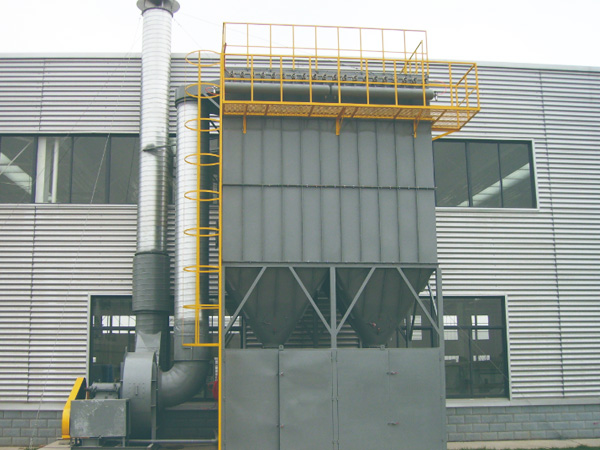
Understanding Baghouse Dust Collector Technology
Baghouse dust collectors operate on a simple yet highly effective principle: contaminated air is drawn through filter bags that trap particulate matter while allowing clean air to pass through. The filter media acts as a physical barrier, capturing dust particles as small as 0.3 microns with efficiency ratings exceeding 90%.
Modern baghouse systems from established manufacturers feature advanced filter media compositions designed to handle various dust types, including metal fumes, wood dust, chemical particles, and fibrous materials. The filtration efficiency depends on multiple factors, including the filter material, fiber diameter, pore size, and dust properties.
Key Components of Industrial Baghouse Systems
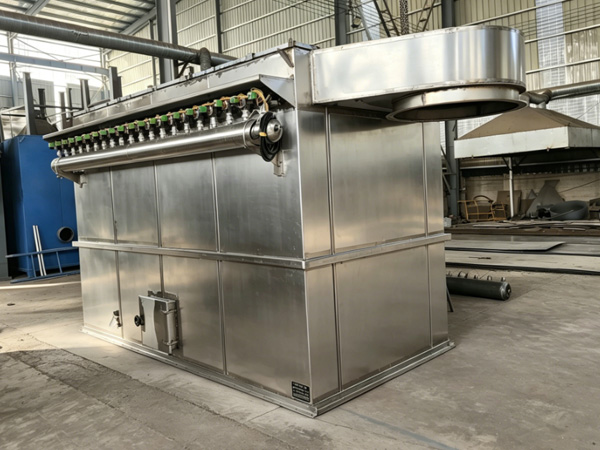
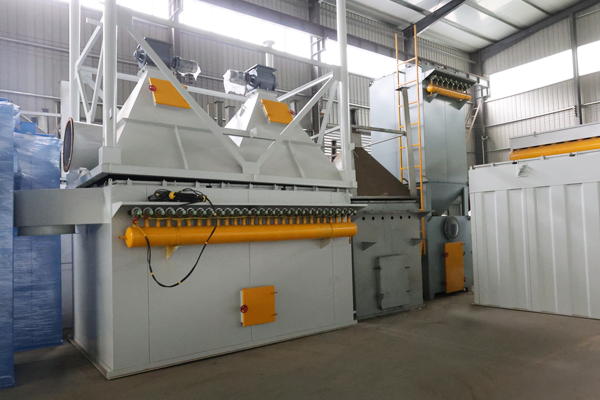
A complete baghouse dust collection system comprises several essential components working in harmony. The filter bags, typically made from materials like polyester,Nomex, or PTFE, serve as the primary filtration medium. These bags are housed within a compartmented structure that allows for continuous operation during maintenance.
The pulse jet cleaning system represents another critical component, using bursts of compressed air to periodically clean the filter bags and restore their filtration capacity. This automated cleaning mechanism significantly extends bag life and maintains consistent airflow throughout the operation cycle. Additionally, the dust collection hopper and discharge valve facilitate accumulated dust removal, while the induced draft fan drives the entire air movement process.
Selecting the Right Baghouse System for Your Factory
Choosing an appropriate baghouse dust collector requires careful consideration of your specific application requirements. The air volume, measured in cubic feet per minute (CFM), determines the collector sizing. Calculating your actual requirement involves analyzing the number of emission points, their individual airflow needs, and the type of contaminants generated.
Filter media selection should align with the temperature and chemical properties of the process gases. High-temperature applications may require glass fiber or metallic filter media, while chemical-resistant options like PTFE prove essential for corrosive environments. Partnering with an experienced supplier ensures proper system sizing and configuration.
Installation Best Practices
Proper installation significantly impacts baghouse performance and longevity. The collector should be positioned as close as possible to the emission source to minimize ductwork requirements and pressure drops. Adequate space around the unit facilitates filter replacement and maintenance activities.
Ductwork design requires attention to velocity requirements, preventing particle settling in horizontal runs while minimizing pressure losses. Proper support and sealing ensure long-term structural integrity and operational efficiency. Professional installation by certified technicians guarantees optimal performance from day one.
Maintenance Guidelines for Optimal Performance
Regular maintenance prevents performance degradation and extends equipment life. Daily visual inspections should check for visible dust emissions, unusual vibrations, or pressure differential alerts. Weekly tasks include examining filter condition through observation ports and verifying cleaning system operation.
Filter bag replacement intervals vary based on application conditions but typically range from one to three years. Implementing a preventive maintenance schedule with your maintenance team ensures timely replacements and avoids unexpected shutdowns. Keeping spare filter bags in inventory minimizes production disruptions during replacement activities.
Applications Across Industries
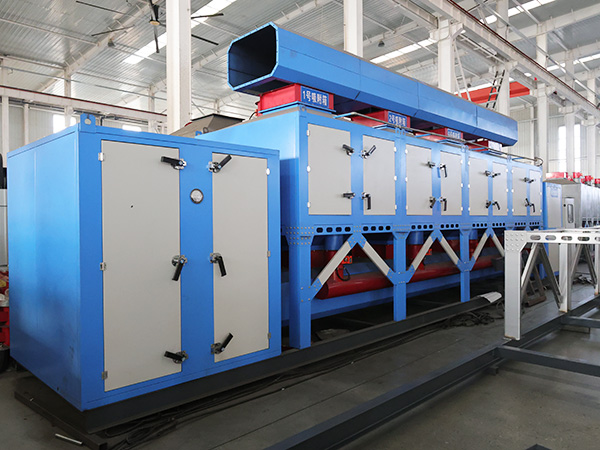
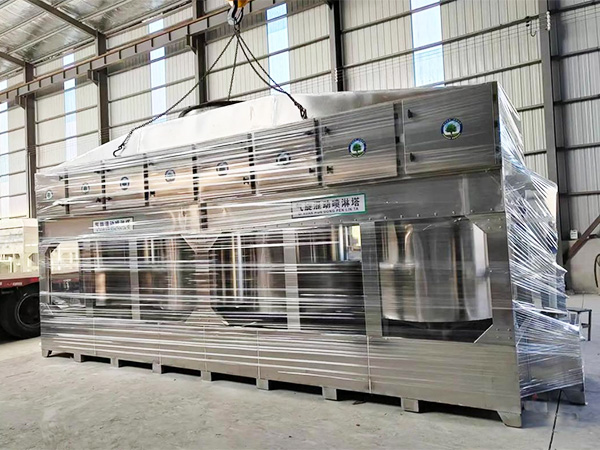
Baghouse dust collectors serve diverse industrial applications worldwide. In metal fabrication facilities, these systems capture welding fumes, grinding dust, and thermal cutting byproducts. Wood processing operations rely on baghouse collectors for sawdust and finish particle control. Chemical and pharmaceutical manufacturing facilities utilize these systems for process emission control.
The cement industry, food processing plants, and textile manufacturing facilities all benefit from tailored baghouse solutions. Each application requires specific filter media and configuration, highlighting the importance of working with knowledgeable equipment suppliers who understand your industry requirements.
Benefits of Proper Dust Collection
Implementing an efficient baghouse dust collection system delivers multiple benefits beyond regulatory compliance. Cleaner air reduces respiratory hazards and improves worker health outcomes. Reduced dust accumulation on equipment surfaces decreases fire risks and extends machinery lifespan.
From a business perspective, effective dust control supports consistent production output by preventing equipment malfunctions and quality issues caused by airborne contaminants. Many manufacturing facilities report improved product quality and reduced maintenance costs after implementing proper dust collection infrastructure.
Future Trends in Dust Collection Technology
Advancements in filter media technology continue improving collection efficiency while reducing pressure drops. Smart monitoring systems now enable predictive maintenance, identifying potential issues before they impact production. Energy-efficient designs reduce operating costs while meeting increasingly stringent environmental regulations.
Integration with factory automation systems allows for real-time performance monitoring and optimization. These developments represent the future of industrial dust collection, offering facilities improved efficiency and reduced total cost of ownership.
References
1. Environmental Protection Agency. (2024). Industrial Air Pollution Control Standards. U.S. Government Printing Office.
2. American Conference of Governmental Industrial Hygienists. (2023). Industrial Ventilation: A Manual of Recommended Practice. ACGIH Publishing.
3. National Institute for Occupational Safety and Health. (2024). Dust Collection Systems in Manufacturing Environments. NIOSH Publications.
4. European Industrial Fans Association. (2023). Filter Media Selection Guide for Industrial Applications. EIFA Technical Reports.
Global distributors are welcome to contact us for partnership opportunities. We invite distributors worldwide to join our network and grow together in the industrial equipment market.