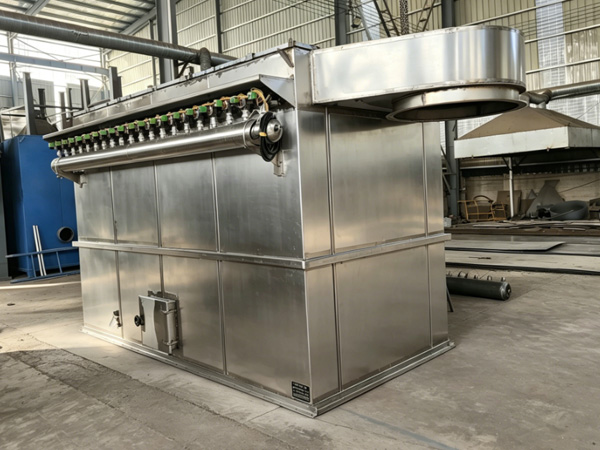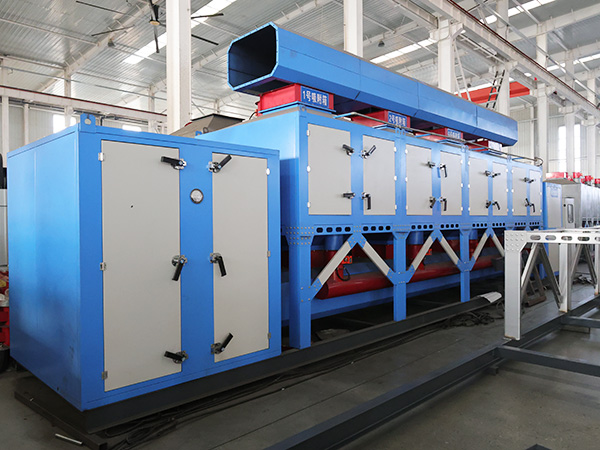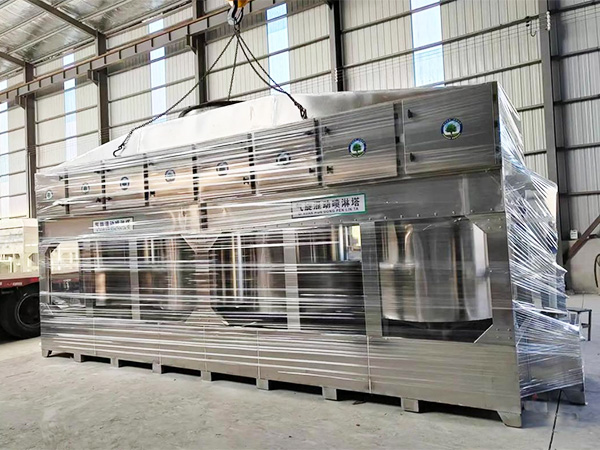
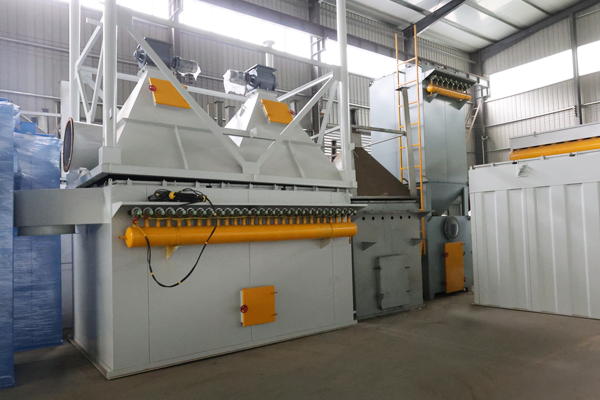







Cartridge Dust Collector: Compact Industrial Dust Control Solution
Cartridge dust collectors represent modern solutions for industrial dust control, offering high efficiency in compact configurations. These systems use pleated filter cartridges that provide large filtration areas in relatively small housing volumes. Their efficiency, compact size, and ease of maintenance make them popular choices for welding fume extraction, powder handling, and general industrial dust collection applications.
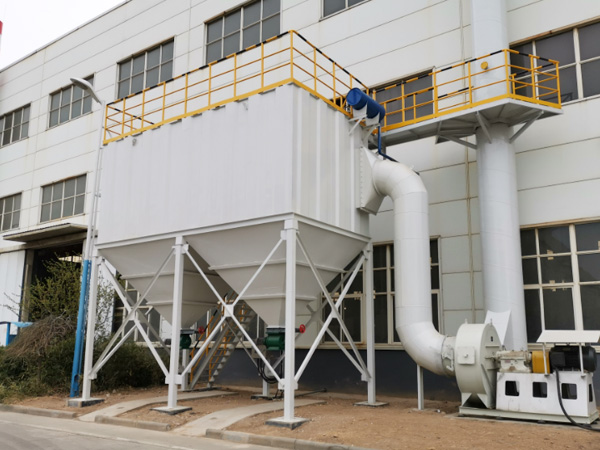
Cartridge Filter Technology
Cartridge filters consist of pleated filter media wrapped around a perforated core. The pleated construction provides large surface area within a compact footprint, typically 15 to 25 square feet per cartridge. This high surface area enables efficient filtration at lower pressure drops compared to traditional bag filters.
Filter media compositions include cellulose, polyester, and synthetic blends. Some cartridges incorporate fine fiber layers that improve collection efficiency for fine particles. Media selection should match the specific dust characteristics and temperature requirements of the application.
System Configurations
Cartridge collectors are available in various configurations to match application requirements. Standard configurations include single-unit collectors for individual workstations and modular systems for larger applications. The configuration selection depends on airflow requirements, space constraints, and installation flexibility needs.
Some systems incorporate pre-filters that remove coarse particles before they reach the cartridge filters, extending cartridge life. Others include integrated fans and motors as complete packaged solutions. Factory-assembled packages simplify installation and ensure component compatibility.
Applications
Cartridge collectors excel in welding fume extraction applications where they capture fine metal oxide fumes. The high-efficiency filtration removes visible smoke that creates workplace hazards. Many welding operations specify cartridge collectors for their combination of efficiency and compact footprint.
Additional applications include powder coating, pharmaceutical manufacturing, food processing, and chemical handling. The sealed configurations prevent dust escape that could contaminate products or create health hazards.
Selection Criteria
Proper selection requires analysis of multiple parameters. Airflow requirements determine the number and size of cartridges needed. The air-to-cloth ratio guides proper sizing, with typical ranges from 3:1 to 6:1 depending on dust loading.
Dust characteristics including particle size, concentration, and moisture content influence media selection. Consulting with application engineers ensures proper cartridge selection for specific requirements.
Installation Best Practices
Proper installation ensures optimal performance and longevity. The collector should be positioned close to emission sources to minimize ductwork requirements. Short duct runs reduce pressure losses and improve system efficiency.
Inlet design should provide even distribution across the filter cartridges. Uneven flow causes premature loading of some cartridges while others remain underutilized. Professional installation ensures proper system configuration.
Cleaning Methods
Cartridge collectors use various cleaning methods to maintain filtration efficiency. Pulse jet cleaning, similar to baghouse systems, uses compressed air bursts to clean accumulated dust from cartridge surfaces. This periodic cleaning extends cartridge service life.
Some applications require manual cleaning or cartridge replacement when pulse cleaning proves insufficient. Cartridge replacement intervals depend on dust loading and cleaning frequency. Establishing maintenance schedules prevents performance degradation.
Maintenance Requirements
Regular maintenance ensures consistent performance and extends equipment life. Cartridge inspection identifies conditions requiring attention. Tracking pressure differential provides indication of accumulated loading.
Cartridge replacement intervals depend on operating conditions but typically range from one to three years. Documenting maintenance activities enables predictive scheduling. Working with qualified suppliers ensures proper replacement cartridges.
Advantages Over Traditional Systems
Cartridge collectors offer significant advantages compared to traditional baghouse systems. The compact footprint suits facilities with limited space. Higher efficiency ratings meet stringent emission requirements without larger equipment.
Maintenance simplicity represents another advantage. Cartridge replacement requires less time and specialized training compared to filter bag replacement. This reduces maintenance costs and operational disruptions.
Cost Considerations
Initial costs for cartridge collectors vary based on configuration and capacity. The compact designs often reduce installation costs compared to larger baghouse systems. Lower maintenance requirements can reduce ongoing costs.
Total cost of ownership analysis guides procurement decisions. Higher-efficiency cartridges may cost more but deliver better value through extended service life. Working with experienced suppliers ensures proper system selection.
Future Developments
Advances in filter media technology continue improving cartridge performance. New media formulations extend service life while maintaining high efficiency. Smart monitoring systems enable predictive maintenance scheduling.
Integration with facility automation systems provides enhanced control capabilities. These developments represent the future of cartridge dust collection technology.
References
1. American Conference of Governmental Industrial Hygienists. (2024). Industrial Ventilation Manual. ACGIH Publishing.
2. U.S. Environmental Protection Agency. (2023). Particulate Matter Control Technology. EPA Documentation.
3. International Filter Media Association. (2024). Cartridge Filter Technology Guidelines. IFMA Technical Reports.
4. National Institute for Occupational Safety and Health. (2023). Welding Fume Control Recommendations. NIOSH Publications.
Global distributors are welcome to contact us for partnership opportunities. We invite distributors worldwide to join our network and grow together in the industrial equipment market.