






catalytic_combustion_equipment_for_voc_destruction
Catalytic combustion equipment destroys volatile organic compounds through oxidation at temperatures significantly lower than thermal oxidation requires. The catalyst—a substance that accelerates chemical reactions without being consumed—enables VOC molecules to react with oxygen at temperatures typically between 300 and 500 degrees Celsius. This temperature reduction compared to thermal oxidation translates directly into reduced fuel consumption and operational costs.
The oxidation process converts organic compounds into carbon dioxide and water vapor, achieving destruction efficiencies that typically exceed 95 percent and often approach 99 percent for well-designed systems. The catalyst itself typically comprises precious metals or metal oxides deposited on a ceramic or metallic substrate. This structured media provides vast surface area for contact between VOC molecules and catalytic sites while minimizing pressure drop through the reactor.
System Components and Configuration
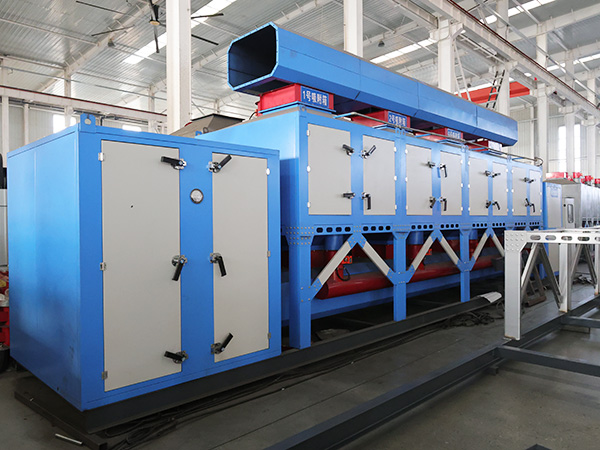
Complete catalytic combustion systems integrate several essential components that work together to achieve effective VOC destruction. The heat exchanger recovers thermal energy from treated exhaust, preheating incoming process air to reduce auxiliary fuel requirements. Modern designs achieve thermal efficiencies approaching 95 percent, minimizing operating costs while maintaining required destruction performance.
The catalyst bed provides the reaction zone where oxidation occurs. Proper catalyst selection depends on the specific VOCs present, their concentrations, and any catalyst poisons that might exist in the process stream. Preheaters bring the system to operating temperature during startup and maintain temperature during periods of low VOC concentration. The combustion chamber upstream of the catalyst ensures uniform temperature distribution and adequate residence time for complete oxidation.
Applications Across Industries
Catalytic combustion technology serves diverse industries where VOC emissions require control. Painting and coating operations generate solvent vapors that respond well to catalytic treatment. Chemical processing facilities use these systems to control emissions from reactors, distillation operations, and storage tanks. Printing operations, pharmaceutical manufacturing, and electronics production all generate VOC streams suitable for catalytic destruction.
The technology proves particularly valuable for processes generating moderate VOC concentrations with consistent composition. Applications with highly variable flow rates or concentrations may require supplementary thermal oxidation capacity to handle peak loads. Processes containing catalyst poisons—substances that deactivate catalysts through chemical interaction—require pre-treatment or alternative destruction technologies. Experienced manufacturers evaluate specific application conditions to recommend appropriate solutions.
Operational Advantages and Economic Benefits
Lower operating temperatures provide primary economic advantages for catalytic systems compared to thermal alternatives. Reduced fuel consumption directly decreases operational costs while lower exhaust temperatures enable use of less expensive construction materials for downstream components. The lower temperature operation also reduces nitrogen oxide formation, an environmental benefit in regions with strict NOx emission limits.
Properly designed catalytic systems offer extended catalyst life when operated within design parameters. Routine maintenance focuses on catalyst condition monitoring and periodic testing to verify continued performance. Catalyst replacement intervals typically range from three to five years under favorable conditions, representing a predictable maintenance expense. Working with established manufacturers ensures access to quality catalysts, technical support, and replacement when needed.
Environmental Compliance and Performance Verification
Regulatory agencies increasingly require documented proof of emission control performance. Catalytic combustion systems from reputable manufacturers include instrumentation and controls that enable continuous monitoring of key operating parameters. Temperature monitoring across the catalyst bed verifies that conditions remain within the range ensuring required destruction efficiency. Flow measurement and recording systems document operational status for compliance reporting.
Periodic performance testing validates actual destruction efficiency through stack sampling and analysis. Well-designed systems include sampling ports that facilitate testing without disrupting operations. Professional suppliers provide test protocols and support to demonstrate compliance with applicable regulations. This documentation proves essential for maintaining operating permits and demonstrating environmental responsibility to stakeholders.
References
United States Environmental Protection Agency. (2024). Control Technology Guide: Catalytic Oxidizers for VOC Control. EPA Office of Air Quality Planning and Standards.
Air and Waste Management Association. (2024). Air Pollution Engineering Manual, Chapter on Catalytic Oxidation Systems.
European Environment Agency. (2024). Best Available Techniques Reference Document on Emissions from Storage and Handling of Volatile Organic Compounds.