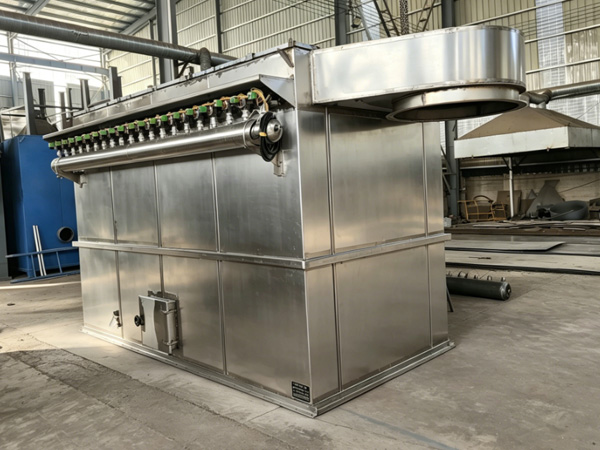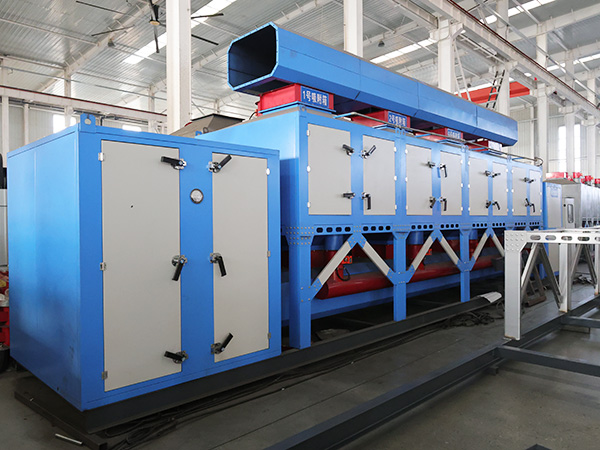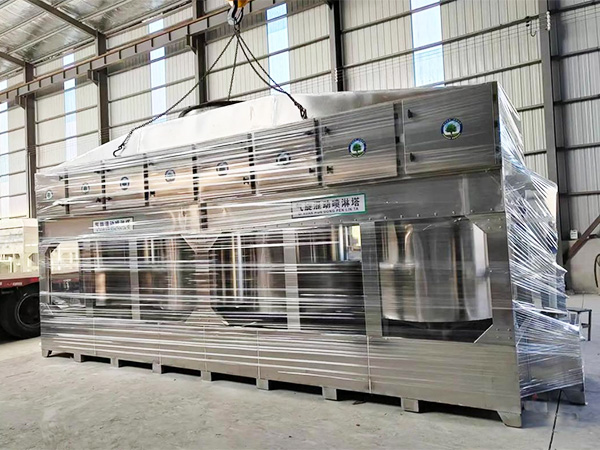
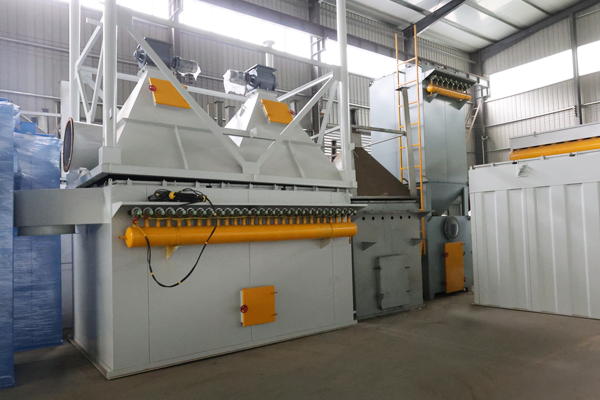







Catalytic Combustion Equipment: Industrial Emission Control Solutions
Catalytic combustion equipment provides highly effective solutions for destroying volatile organic compounds (VOCs) and other hazardous air pollutants generated during industrial processes. Unlike thermal oxidizers that rely solely on high temperatures, catalytic systems enable pollutant destruction at significantly lower temperatures while consuming less energy. This technology has become essential for facilities seeking to meet stringent environmental regulations while maintaining operational efficiency.
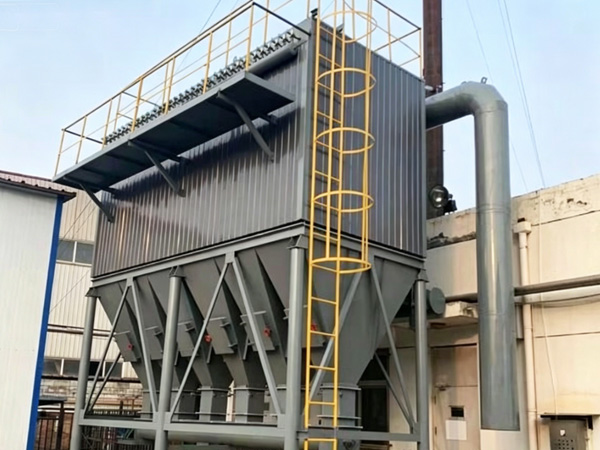
Catalytic Technology Fundamentals
Catalytic combustion uses catalyst materials to accelerate chemical reactions that convert VOCs into harmless carbon dioxide and water vapor. The catalyst provides surface sites where VOC molecules react with oxygen at temperatures far lower than required for thermal combustion alone. This reduction in operating temperature dramatically decreases fuel consumption compared to thermal oxidizer alternatives.
Common catalyst materials include platinum, palladium, and proprietary ceramic substrates. The catalyst formulation is selected based on the specific contaminants in the application. Different contaminants require different catalyst chemistries for optimal destruction efficiency.
System Components
A complete catalytic combustion system includes multiple integrated components. The catalyst chamber houses the catalyst media where reactions occur. Pre-heating sections bring incoming air to reaction temperature. Heat exchange systems recover thermal energy from exhaust streams to improve efficiency.
Burner systems provide initial heating to light-off temperatures, typically 400 to 600 degrees Fahrenheit depending on the application. Once reactions begin, the exothermic nature of VOC combustion sustains operating temperatures with minimal additional fuel input.
System Configurations
Catalytic systems are configured as single-stage or multi-stage systems. Single-stage systems combine preheating and reaction in a single chamber. Multi-stage configurations optimize temperature profiles for specific applications, improving destruction efficiency for challenging contaminants.
Some systems incorporate regenerative heat recovery that captures exhaust heat for preheating incoming air. This approach significantly improves overall system efficiency, reducing operating costs while maintaining destruction performance.
Application Suitability
Catalytic combustion serves applications with moderate VOC concentrations and relatively simple contaminant profiles. High concentrations provide sufficient heat release to sustain reactions. Complex contaminant mixtures may require multiple catalyst stages or alternative technologies.
Applications including printing, coating, chemical processing, and semiconductor manufacturing frequently specify catalytic systems. The technology proves particularly effective for solvent-based processes where heat recovery opportunities optimize efficiency.
Sizing and Selection
Proper system sizing ensures adequate destruction efficiency while managing operating costs. The residence time in the catalyst chamber, combined with operating temperature, determines destruction efficiency. Longer residence times and higher temperatures improve destruction rates.
The VOC concentration and composition directly influence system sizing. Higher concentrations may require temperature management to prevent overheating. Catalyst selection must match the specific contaminant profile for optimal performance.
Installation Requirements
Successful installation requires attention to ductwork design and system positioning. Inlet and outlet connections must provide adequate flow distribution across the catalyst media. Proper sealing prevents bypass flows that reduce destruction efficiency.
Structural considerations include weight loading for the system and associated ductwork. Access space supports routine maintenance and catalyst replacement. Clear manufacturer guidelines ensure proper installation that maintains performance warranties.
Operational Best Practices
Monitoring system performance ensures consistent destruction efficiency. Tracking inlet and outlet VOC concentrations verifies system performance. Temperature monitoring identifies abnormal conditions requiring attention.
Maintaining proper operating temperatures maximizes destruction efficiency while minimizing catalyst degradation. Startup and shutdown procedures should follow manufacturer guidelines to prevent thermal shock that damages catalyst materials.
Maintenance Requirements
Regular maintenance maintains system performance and extends equipment life. Catalyst inspection identifies degradation requiring attention. Maintaining proper temperature profiles prevents premature catalyst aging.
Catalyst replacement intervals vary based on operating conditions but typically range from five to ten years. Documenting operating parameters enables predictive maintenance scheduling.
Environmental Compliance
Catalytic combustion helps facilities meet stringent emission regulations. The Environmental Protection Agency and state authorities establish VOC emission limits that many industrial facilities must meet. Proper system operation and maintenance ensure continuous compliance.
Many environmental permits require continuous monitoring or periodic testing to verify destruction efficiency. Documentation of system operation supports compliance demonstrations during regulatory inspections.
Cost Considerations
System costs include capital investment, fuel consumption, and maintenance activities. The lower operating temperatures of catalytic systems compared to thermal oxidizers reduce fuel consumption significantly, often by 50 percent or more.
Working with experienced suppliers ensures proper system selection for specific applications. Many manufacturers offer performance guarantees that provide confidence in system effectiveness. The total cost of ownership analysis guides procurement decisions.
Technology Advancements
Ongoing developments continue improving catalytic system performance and reducing costs. New catalyst formulations improve durability and efficiency. Advanced control systems optimize performance based on real-time process conditions.
Integration with facility control systems enables coordinated operation with production processes. These developments represent the future of catalytic combustion technology, offering facilities improved environmental performance and operational efficiency.
References
1. U.S. Environmental Protection Agency. (2024). Control of Volatile Organic Compound Emissions. EPA Guidelines.
2. American Society of Heating, Refrigerating and Air-Conditioning Engineers. (2023). Thermal and Catalytic Oxidation Systems. ASHRAE Technical Reports.
3. International Society of Environmental Engineers. (2024). Best Available Techniques for VOC Destruction. ISEE Publications.
4. European Environmental Agency. (2023). Industrial Emission Control Technologies. EEA Documentation.
Global distributors are welcome to contact us for partnership opportunities. We invite distributors worldwide to join our network and grow together in the industrial equipment market.