






Dust Collector Maintenance Best Practices: Preventive Care and Performance Optimization
Effective dust collector maintenance directly determines equipment reliability, emission compliance, and operational costs in industrial facilities. A well-executed preventive maintenance program, supported by experienced service suppliers and original equipment manufacturers, extends filter media life, reduces unplanned downtime, and maintains design collection efficiency throughout the equipment lifecycle. Understanding critical maintenance intervals, inspection techniques, and performance monitoring strategies enables plant engineers to optimize dust collection system availability while controlling maintenance expenditures.
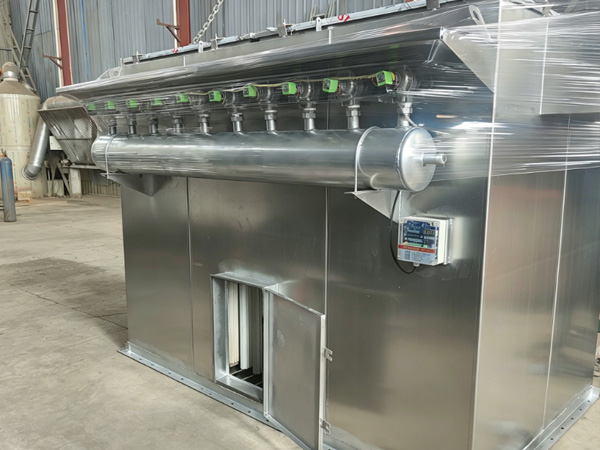
Preventive Maintenance Scheduling and Documentation
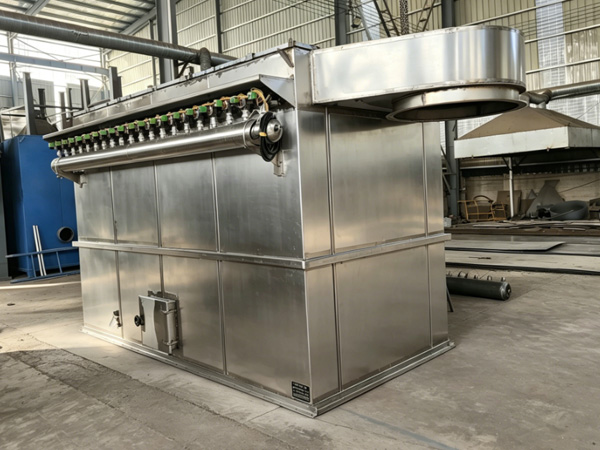
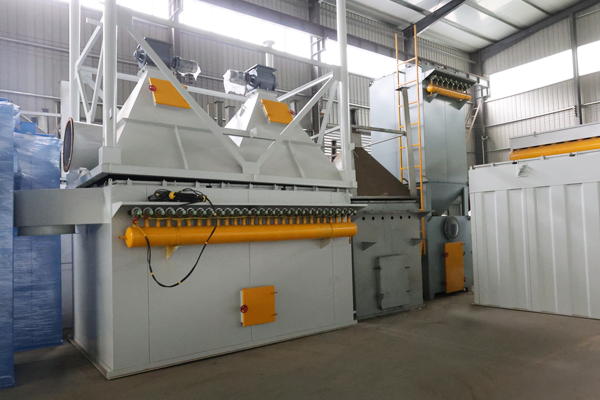
Preventive maintenance scheduling for dust collectors should align with equipment criticality, operating severity, and manufacturer recommendations. Daily checks include differential pressure monitoring, dust discharge observation, and compressed air system inspection (for pulse-jet units). Weekly or monthly tasks encompass filter bag condition assessment, valve operation verification, and structural integrity evaluation of hoppers, ducting, and support structures.
Documentation of maintenance activities, including dated inspection records, replacement part identification, and performance trend data, enables predictive maintenance strategies and warranty claim support. Computerized maintenance management systems (CMMS) or simplified logbooks track completed tasks, upcoming scheduled maintenance, and spare parts inventory status. Reputable dust collector suppliers provide maintenance checklists tailored to specific equipment models and operating conditions, streamlining documentation and ensuring consistent execution of critical maintenance tasks.
Filter Bag and Cartridge Inspection Techniques
Filter media inspection represents the most critical maintenance activity for fabric filtration systems. Visual examination through access doors or sight glasses reveals bag condition including surface wear, chemical attack signs, cage misalignment, or dust cake irregularities. For baghouse systems, internal inspection with adequate lighting and safety precautions (confined space entry protocols, respiratory protection) enables assessment of bag tension, cage condition, and tube sheet sealing integrity.
Performance-based evaluation through differential pressure trending often provides earlier indication of filter media degradation than visual inspection alone. Gradual pressure drop increase may indicate dust cake buildup, blinding, or improper cleaning system function, while sudden pressure drop changes often signal bag failure or gasket leakage. Leading dust collector manufacturers offer performance monitoring systems that integrate differential pressure, temperature, and flow data to predict filter media replacement intervals and optimize maintenance scheduling.
Compressed Air System Maintenance for Pulse-Jet Units
Pulse-jet dust collectors demand reliable, moisture-free compressed air to maintain cleaning effectiveness and prevent filter media damage. Maintenance activities include drain trap inspection and cleaning, filter element replacement for compressed air dryers and coalescing filters, and valve operation verification. Moisture contamination in compressed air lines causes filter cake rewetting, dust clumping, and premature bag or cartridge failure—issues preventable through rigorous compressed air system maintenance.
Diaphragm valve inspection and periodic replacement (typically every 1-3 years depending on cycling frequency) prevents cleaning system degradation that leads to elevated differential pressure and increased fan energy consumption. Valve coil resistance testing, pilot operator inspection, and blowpipe alignment verification should be incorporated into scheduled maintenance outages. Experienced service suppliers maintain inventories of common valve repair kits and can provide field troubleshooting support to minimize dust collector downtime during critical production periods.
Structural and Safety Component Inspection
Beyond filtration components, dust collector maintenance must address structural integrity and safety systems. Hopper wall thickness measurement (for abrasive dust applications), dust discharge device inspection (rotary airlocks, screw conveyors), and explosion vent condition assessment represent essential safety and reliability maintenance tasks. Support structure foundation settlement, casing corrosion, and access platform integrity also require periodic evaluation to prevent catastrophic failures or regulatory non-compliance.
For combustible dust applications, explosion protection system maintenance—including deflagration venting devices, suppression systems, and isolation valves—demands specialized expertise and adherence to NFPA 68, NFPA 69, or other applicable standards. Pressure relief vent tear membrane condition, suppression agent expiration dates, and isolation valve operation verification must be documented and performed by qualified personnel. Professional dust collector suppliers offer comprehensive safety system inspection services to ensure continuous compliance with evolving regulatory requirements.
References
NFPA 68 - Standard on Explosion Protection by Deflagration Venting
NFPA 69 - Standard on Explosion Prevention Systems
ACGIH Industrial Ventilation: A Manual of Recommended Practice, 30th Edition
OSHA 29 CFR 1910.94 - Ventilation
EPA OAQPS Control Cost Manual - Fabric Filters Chapter