






Filter Bag Material Selection Guide for Industrial Dust Collection
The filter bag serves as the critical filtration element in baghouse dust collection systems, directly determining emission compliance, operational efficiency, and maintenance intervals. Selecting appropriate filter media requires balancing temperature resistance, chemical compatibility, particle size distribution, moisture content, and economic considerations. Environmental equipment manufacturers with extensive application experience provide material selection guidance backed by laboratory testing and field performance data to optimize dust collection system performance.
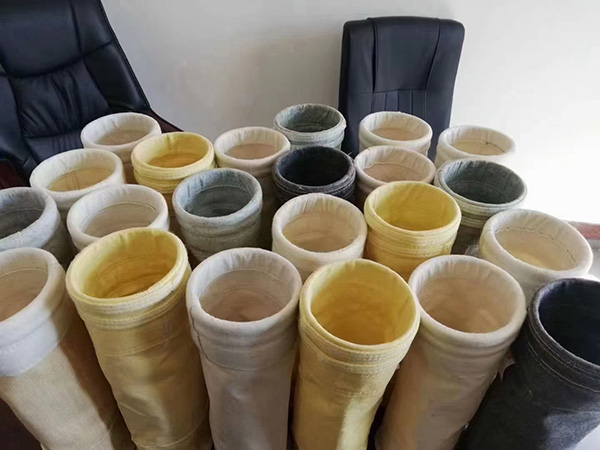
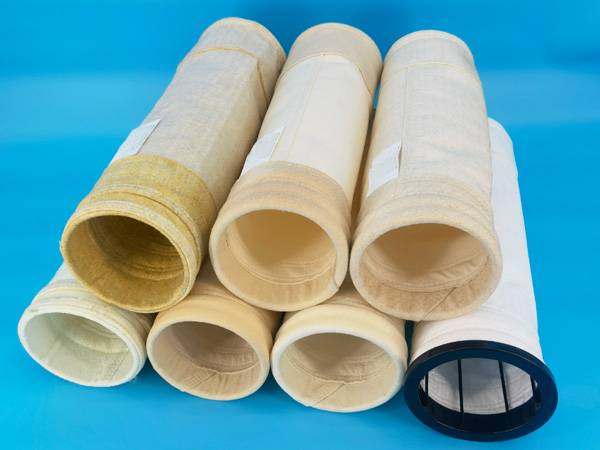
Temperature Resistance and Continuous Operating Limits
Operating temperature represents the primary constraint in filter bag selection, as exceeding the media's continuous service temperature leads to premature aging, shrinkage, or catastrophic failure. Polyester needle felts, the most widely used filter media, provide economical service for temperatures up to 130°C (266°F), with short-term peaks to 150°C. For intermediate temperature applications (130-190°C), Nomex (aramid) and Ryton (polyphenylene sulfide) needle felts deliver excellent thermal stability and chemical resistance, though at significantly higher cost.
Fiberglass filter bags, capable of continuous operation at 260°C (500°F), serve high-temperature applications including coal-fired boilers, incinerators, and thermal oxidizers. These glass fiber media require careful handling during installation and cleaning due to their brittle nature, and typically incorporate specialized finishes or coatings to improve flex endurance and dust cake release. Reputable filter bag suppliers provide detailed temperature resistance charts and can recommend appropriate media based on process operating profiles, including startup, shutdown, and upset condition considerations.
Chemical Compatibility and Acid/Gas Resistance
Flue gas chemistry significantly influences filter bag service life, with acidic compounds (SOx, HCl, HF) and alkaline species (NH3, CaO) potentially degrading media properties through chemical attack. Polyester media exhibits good resistance to most organic acids but degrades rapidly in alkaline environments or temperatures exceeding 130°C in the presence of moisture. Nomex (aramid) provides excellent resistance to alkaline conditions but suffers from acid hydrolysis at elevated temperatures and humidity levels.
Ryton (PPS) needle felt offers superior resistance to both acidic and alkaline environments within its temperature limit (190°C), making it suitable for coal-fired boiler applications where acid dew point concerns exist. For extremely corrosive conditions involving halogens, strong oxidants, or extreme pH, PTFE (Teflon) needle felt or membrane-laminated media provide exceptional chemical inertness at premium cost. Leading dust collector suppliers maintain chemical compatibility databases and can arrange media exposure testing to verify suitability for challenging process streams.
Surface Treatments and Membrane Laminates
Surface treatments significantly enhance filter bag performance by improving dust cake release, reducing pressure drop, or extending service life in abrasive applications. Singed or calendared surfaces create smoother bag exteriors that minimize particulate penetration and improve cleaning efficiency. Silicone or graphite coatings reduce dust adhesion and improve cake release characteristics, particularly beneficial for cohesive or hygroscopic dusts that tend to blind untreated media.
PTFE membrane laminates, bonded to the downstream side of needle felt substrates, transform depth filtration into surface filtration, dramatically improving collection efficiency for sub-micron particles while reducing pressure drop by 30-50%. The membrane's microporous structure allows gas passage while blocking particulate penetration, enabling higher filtration velocities and extended bag life through reduced cleaning frequency. While PTFE-laminated bags carry 2-3x cost premium over untreated media, the lifecycle cost advantage through reduced energy consumption and extended service intervals often justifies the initial investment.
Abrasion Resistance and Mechanical Durability
Abrasive dusts including fly ash, cement, and mineral processing dusts demand filter bags with enhanced mechanical durability to withstand flexure, erosion, and tensile stresses during cleaning cycles. Polyester and Nomex needle felts exhibit good abrasion resistance for most applications, but extremely abrasive dusts may necessitate specialized surface treatments, higher basis weight media, or alternative fiber selections. The scrim (support fabric) construction significantly influences bag durability, with highly tensilized scrims providing enhanced dimensional stability and resistance to mechanical damage.
For applications involving sharp-edged or high-density particulates, composite filter media incorporating aramid or PTFE fibers in high-wear zones extend service life compared to homogeneous constructions. Proper bag installation, including correct tensioning and cage alignment, also influences mechanical durability by preventing bag-to-cage abrasion or excessive slack that causes fabric folding and flex fatigue. Experienced filter bag manufacturers provide installation training and can recommend appropriate media specifications based on dust characteristics and cleaning system parameters.
References
ASTM D6830 - Standard Practice for Berating and Assigning Durability Scores to Particulate Matter (PM) Filters
EPA Method 5 - Determination of Particulate Matter Emissions from Stationary Sources
ACGIH Industrial Ventilation Manual, Chapter 12: Fabric Filter Collectors