






Industrial Dust Collection Systems: Manufacturer Guide for Factory Air Quality
Industrial dust collection systems serve as the backbone of air quality management in manufacturing environments worldwide. A reputable manufacturer designs and supplies equipment that addresses the unique challenges faced by different industries, from metal fabrication to chemical processing. Partnering with an established dust collector supplier ensures facilities receive properly engineered solutions tailored to specific operational requirements.
Types of Dust Collection Equipment
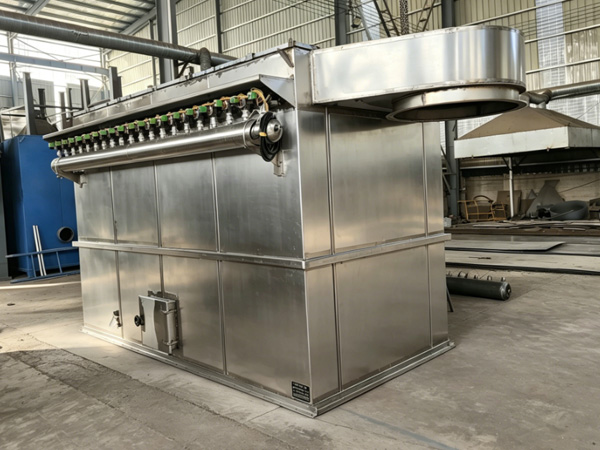
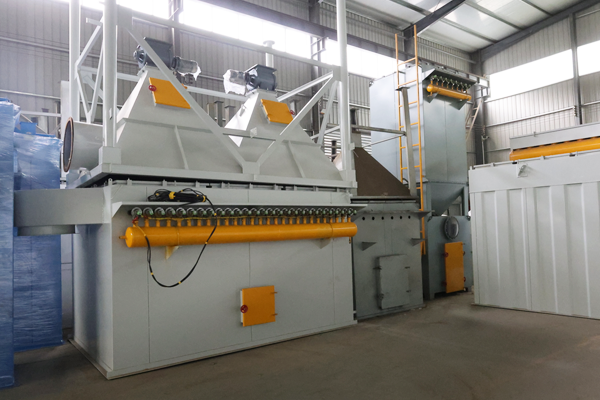
Industrial manufacturers produce several categories of dust collection equipment, each suited to particular applications. Baghouse collectors represent the most versatile option, capable of handling high dust loads while achieving superior collection efficiency. These units accommodate large air volumes across industries including cement, mining, and chemical processing.
Cartridge collectors offer a more compact alternative, making them popular among factory operations with limited floor space. For processes generating heavy particulate matter, cyclone separators provide cost-effective pre-cleaning that reduces load on primary filtration equipment.
How Factory Dust Collectors Function
Modern dust collection systems operate by drawing contaminated air through strategically positioned capture hoods and ductwork. The induced draft fan creates negative pressure that pulls airborne particles toward the filtration chamber. Within the collector, filter elements capture particles while cleaned air exits through the discharge.
The continuous nature of this process requires reliable components from qualified manufacturers. Quality suppliers build systems with durable fans, efficient filters, and automated controls that adjust operation based on real-time conditions.
Matching Equipment to Application Needs
Factory managers must evaluate several factors when selecting dust collection systems. The volume of air requiring treatment directly influences collector sizing. A competent manufacturer helps facilities calculate accurate requirements based on the number of emission points and their individual characteristics.
Dust properties including particle size, abrasiveness, and temperature further guide equipment selection. Experienced suppliers ask detailed questions about process conditions to recommend the most appropriate system configuration.
Benefits of Working with Established Manufacturers
Established equipment manufacturers bring technical expertise accumulated across numerous installations. These suppliers understand the nuances of different industries and can anticipate application-specific challenges. Their engineering capabilities enable custom solutions when standard configurations prove insufficient.
Quality manufacturers also provide ongoing support including installation supervision, operator training, and spare parts availability. This comprehensive service approach protects the facility investment over the equipment lifecycle.
Understanding System Costs and Value
While initial equipment costs attract attention, the total cost of ownership provides a more accurate picture of system economics. Energy consumption represents the largest ongoing expense, making efficiency a critical selection criterion. Well-engineered systems from reputable manufacturers minimize operational costs through optimized designs.
Filter consumption, maintenance labor, and downtime also contribute to total ownership costs. Discussing these factors openly with potential suppliers enables accurate comparisons between competing solutions.
Installation and Startup Support
Professional installation significantly impacts long-term system performance. Many manufacturers offer field service technicians who supervise installation and commissioning. This oversight ensures ductwork connections, electrical systems, and controls function as designed.
Operator training completes the startup process, ensuring facility personnel understand system operation and basic troubleshooting. Thorough training reduces dependence on external support and enables faster problem resolution.
Maintaining Optimal Performance
Regular maintenance preserves collection efficiency throughout the equipment lifecycle. A reliable supplier provides documented maintenance schedules and offers service contracts for facilities preferring external support. Preventive maintenance catches developing problems before they cause operational disruptions.
Performance monitoring through pressure differential tracking and periodic testing confirms continued compliance with design specifications. Documentation supports both regulatory requirements and internal quality assurance programs.
Future-Proofing Your Dust Collection Investment
Evolving environmental regulations increase the importance of selecting adaptable equipment from forward-thinking manufacturers. Systems designed with expansion capabilities accommodate future stricter requirements without complete replacement. Consulting with manufacturers about regulatory trends helps facilities plan long-term strategies.
Technology advances continuously improve dust collection effectiveness while reducing operational costs. Established manufacturers invest in research and development to bring innovations to market. Staying connected with suppliers ensures access to these improvements.
References
1. U.S. Environmental Protection Agency. (2024). Stationary Source Control Techniques for Particulate Matter. EPA Technical Document.
2. American Society of Heating, Refrigerating and Air-Conditioning Engineers. (2024). Industrial Ventilation Design Guide. ASHRAE Handbook.
3. National Institute for Occupational Safety and Health. (2024). Engineering Controls for Occupational Dust Exposure. NIOSH Criteria Document.
4. European Commission. (2023). Best Available Techniques Reference Documents for Industrial Emissions. EC BREF Series.
Global distributors are welcome to contact us for partnership opportunities. We invite distributors worldwide to join our network and grow together in the industrial equipment market.