






Pulse Jet Baghouse Dust Collector: Features and Advantages Explained
In industrial settings where efficient dust management is a core operational requirement, the pulse jet baghouse dust collector ranks among the most high-performance and widely adopted air filtration solutions. Renowned for uninterrupted operation, exceptional filtration efficiency, and minimal maintenance demands, this system has become the go-to option for key industries including cement production, steel manufacturing, power generation, and chemical processing. This article delves into the operating mechanism, core characteristics, and unique advantages of pulse jet baghouse dust collectors, highlighting their value in modern industrial air pollution control applications.
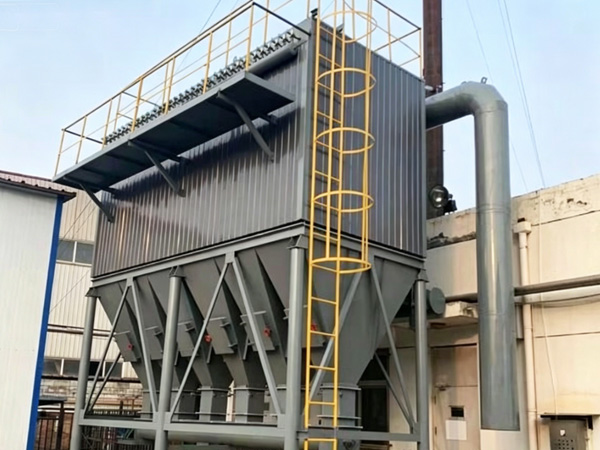
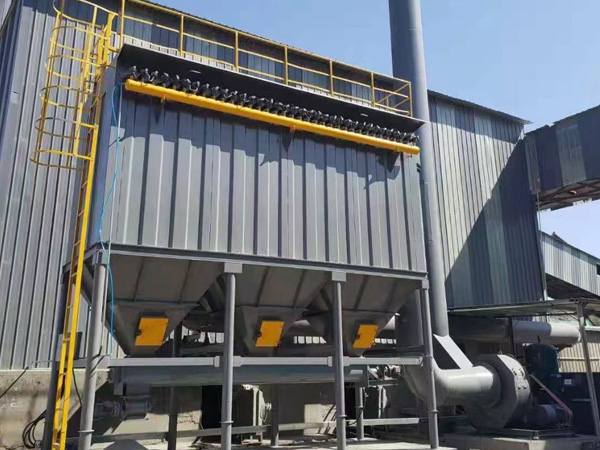
What Is a Pulse Jet Baghouse Dust Collector?
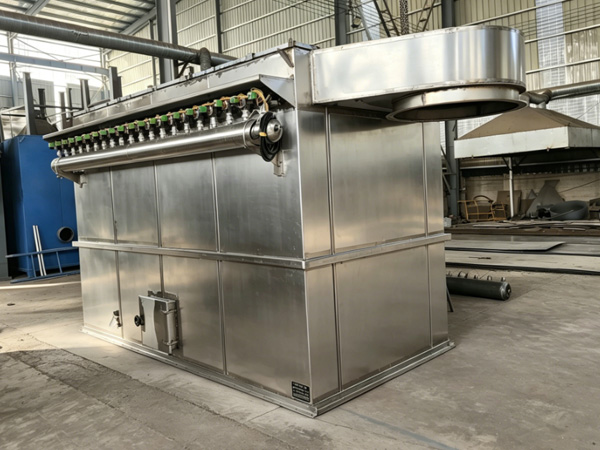
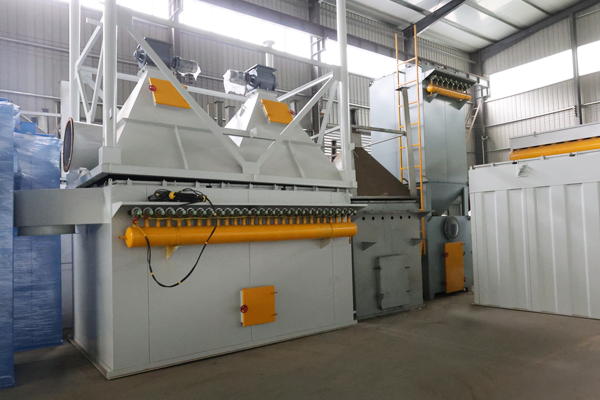
A pulse jet baghouse dust collector is an advanced fabric filtration unit that utilizes short, high-pressure compressed air bursts to remove accumulated dust from filter bags, without halting the overall filtration process. Differing from conventional baghouse systems that mandate full shutdowns for manual or mechanical cleaning, pulse jet models enable online, continuous filtration, perfectly catering to the high-intensity, non-stop production needs of modern industrial facilities.
Operating Principle of Pulse Jet Baghouse Dust Collectors
The working mechanism of pulse jet baghouses is straightforward yet highly efficient, consisting of four sequential core steps:
Dust-Laden Air Intake: Dust-containing industrial exhaust gas is drawn into the collector via the inlet duct and guided evenly toward the array of filter bags.
Filtration Execution: Dust particles of varying sizes are trapped on the external surface of the filter bags, while purified air passes through the fabric media and is discharged through the outlet.
Pulse Jet Cleaning Cycle: At preset intervals, controlled compressed air pulses are released through a dedicated blowpipe into each filter bag. This rapid air burst triggers instantaneous expansion of the bags, shaking off the compacted dust cake efficiently.
Dust Collection and Discharge: The dislodged dust falls into the collection hopper at the bottom, and is later expelled via a rotary airlock valve or screw conveyor for centralized disposal or recycling.
Core Features of Pulse Jet Baghouse Dust Collectors
1. Uninterrupted Operational Capability
The defining feature of this system is that the cleaning process runs parallel to filtration, with no pause in airflow or production, ensuring consistent operational continuity.
2. Ultra-High Filtration Efficiency
Pulse jet systems deliver a dust removal efficiency of up to 90%, effectively capturing even ultra-fine particulate matter that fails to be filtered by standard systems.
3. Space-Saving Compact Structure
Thanks to a higher filtration velocity, pulse jet baghouses occupy a smaller footprint compared to reverse air or shaker-type baghouses, making them ideal for facilities with limited installation space.
4. Automated Cleaning Control
The entire cleaning cycle is managed by a programmable logic controller (PLC), enabling automatic timing or pressure-based cleaning, eliminating the need for frequent manual labor.
5. Customizable Design Flexibility
These systems can be fully customized to match diverse industry requirements, adjustable for different airflow volumes, dust properties, and site-specific installation conditions.
Advantages of Pulse Jet Baghouse Dust Collectors
Outstanding Dust Removal Performance: Capable of capturing both coarse and ultra-fine dust particles, fully complying with strict national and industrial emission standards.
Minimized Operational Downtime: Online automatic cleaning eliminates production halts for maintenance, significantly boosting overall industrial productivity.
Reduced Long-Term Maintenance Costs: Efficient cleaning prevents excessive dust accumulation, prolonging filter bag service life and cutting down on replacement frequency.
Optimized Energy Efficiency: Modern designs are engineered to lower airflow resistance and pressure drop, reducing fan power consumption and overall operational energy costs.
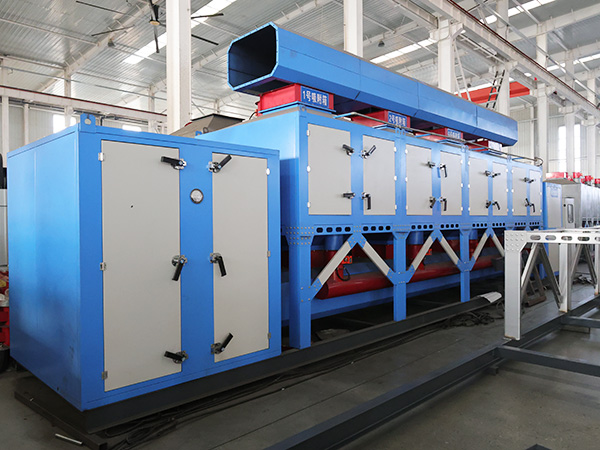
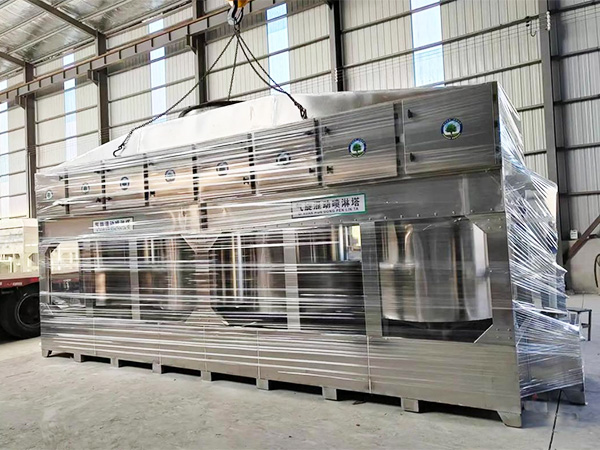
Strong Adaptability to Harsh Environments: With appropriate filter media selection, the system can withstand high temperatures, corrosive gases, and heavy dust loads, suitable for extreme industrial conditions.
Typical Industrial Applications
Pulse jet baghouse dust collectors are extensively applied across a wide range of industrial sectors, including:
Cement manufacturing and aggregate processing
Steel smelting, metal fabrication and metallurgy
Thermal power plants and coal-fired facilities
Chemical, pharmaceutical and fine processing industries
Food processing and agricultural product handling
Mining, mineral processing and material crushing
Pulse Jet vs. Conventional Baghouse Systems
When compared to shaker-type and reverse air baghouses, pulse jet models hold distinct edges: more efficient dust cleaning, higher air-to-cloth ratio, smaller installation footprint, and superior suitability for continuous, high-load industrial operations. These benefits solidify its status as the most popular choice in contemporary industrial dust control solutions.
Key Selection Tips for Pulse Jet Baghouse Systems
When selecting a pulse jet baghouse dust collector, critical factors to evaluate include:
Required airflow capacity (measured in CFM or m³/h)
Inherent dust characteristics (particle size, moisture content, abrasiveness)
On-site operating temperature range
Compatible filter bag material and media type
Available installation space and layout constraints
Local environmental emission standards and compliance requirements
Partnering with an experienced, professional manufacturer ensures tailored system design and long-term stable operational reliability.
Conclusion
The pulse jet baghouse dust collector stands as a robust, high-efficiency solution for industrial air pollution control. Boasting continuous operation, ultra-high filtration efficiency, and automated cleaning functionality, it outperforms traditional dust collection methods in every key aspect. For industrial facilities in pursuit of reliable, cost-effective, and high-performance dust control solutions, pulse jet baghouses remain the top-tier and most practical choice for long-term use.
References
GB/T 7714:Performance Optimization of Pulse Jet Baghouse Dust Collectors for Industrial Dust Control. Journal of Environmental Engineering
MLA:Filter Media Selection for Pulse Jet Baghouse Dust Collectors: A Review. Journal of Materials Science and Engineering
APA:Practical Selection Criteria for Pulse Jet Baghouse Dust Collectors in Mining and Metallurgy Industries. Journal of Industrial and Engineering Chemistry