






Pulse Jet Valve System Design for Dust Collectors: Selection and Optimization
The pulse jet valve system serves as the operational heart of modern baghouse and cartridge dust collectors, delivering precisely timed bursts of compressed air to clean filter media without interrupting the filtration process. These diaphragm-actuated valves, manufactured by specialized environmental equipment suppliers, must be correctly sized, positioned, and controlled to achieve optimal cleaning efficiency while minimizing compressed air consumption and mechanical stress on filter bags or cartridges. Proper system design directly influences dust collector performance, energy consumption, and maintenance intervals.
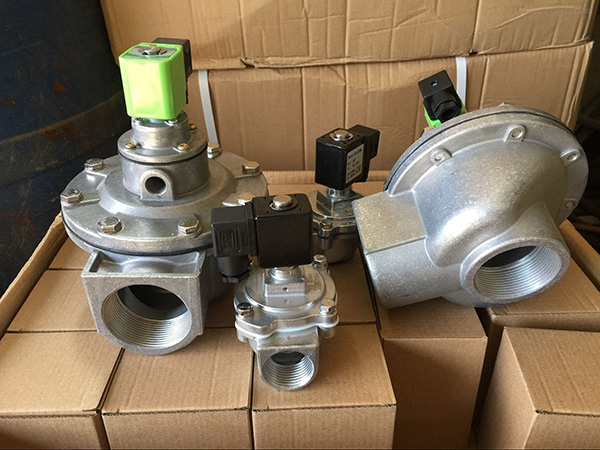
Valve Types and Operating Principles
Diaphragm pulse jet valves dominate dust collector applications, utilizing pneumatic or electrical actuation to rapidly open a diaphragm and release compressed air into the blowpipe. The valve's response time—typically 50-100 milliseconds—determines the sharpness of the pressure pulse traveling down the filter bag, with faster response yielding more effective dust cake removal. Angle seat valves, offering full-port flow with minimal pressure drop, suit large dust collector installations where compressed air distribution efficiency is critical.
Integrated pilot valves, either integral to the main valve body or remotely mounted, control the diaphragm actuation by exhausting the diaphragm chamber pressure. Remote pilot configurations enable centralized control cabinet mounting, protecting electronic components from dusty environments and simplifying maintenance access. Reputable valve manufacturers offer both integral and remote pilot options, supported by detailed selection software that calculates flow coefficients (Cv values) based on system pressure, pipe sizing, and desired pulse characteristics.
Compressed Air System Sizing and Quality Requirements
The compressed air supply for pulse jet valves must deliver adequate volume and pressure (typically 80-100 psi) to achieve effective cleaning without excessive energy consumption. System sizing begins with calculating total air consumption: multiply the number of valves by their individual air consumption per pulse (typically 0.5-3.0 cubic feet depending on valve size and pulse duration), then factor in duty cycle and peak cleaning scenarios. Inadequate compressed air supply leads to pressure decay during cleaning sequences, reducing cleaning effectiveness and potentially causing premature filter failure.
Air quality represents an equally critical consideration, as oil, moisture, or particulate contamination rapidly degrades valve performance and can blind filter media. Compressed air treatment train—including coalescing filters, desiccant or refrigerant dryers, and particulate after-filters—must achieve ISO 8573-1 Class 2.4.2 or better (particulate, moisture, oil) to prevent valve sticking, diaphragm deterioration, and filter media contamination. Leading dust collector suppliers provide compressed air system design specifications and can recommend appropriate treatment equipment to ensure reliable long-term operation.
Pulse Duration and Frequency Optimization
Pulse duration (on-time) directly influences cleaning energy delivery, with optimal settings balancing dust cake removal against compressed air consumption and mechanical stress. Typical pulse durations range from 50-200 milliseconds, with shorter pulses sufficing for light dust loadings and larger filter areas, while heavier dust loads or smaller filters may require extended pulse times. Modern dust collector control systems employ differential pressure-based cleaning, initiating pulses only when necessary and adjusting pulse count per cleaning cycle based on measured pressure drop trends.
Off-time between pulses to the same compartment (typically 5-15 seconds) allows dust dislodged from upstream bags to settle into the hopper before subsequent cleaning pulses, preventing dust re-entrainment onto adjacent filters. Sequential cleaning patterns—where valves fire in ordered sequence rather than simultaneously—maintain stable system airflow and prevent excessive internal pressure fluctuations that could compromise duct velocity or capture hood performance. Experienced system integrators program cleaning sequences tailored to specific dust characteristics and process operating profiles.
Troubleshooting and Maintenance Best Practices
Common pulse jet valve issues include diaphragm failure (cracking, loss of elasticity), pilot valve malfunction (coil burnout, orifice blockage), and compressed air supply problems (pressure decay, moisture contamination). Diaphragm service life typically ranges from 1-3 years depending on cycling frequency, operating temperature, and compressed air quality—with preventive replacement during scheduled maintenance outages preventing unplanned downtime. Valve performance verification, including crack pressure measurement and flow testing, should be incorporated into routine maintenance protocols.
Winter operation demands particular attention to freeze protection for compressed air systems, as moisture condensation in control lines or valve bodies can cause freezing and operational failure. Heat tracing, insulation, and drip leg installation with regular draining prevent freeze-related issues in colder climates. Comprehensive maintenance training for plant personnel, coupled with readily available spare parts kits from the valve supplier, ensures rapid troubleshooting response and minimized system downtime when pulse jet system issues arise.
References
Compressed Air and Gas Institute (CAGI) Standards for Compressed Air Quality
ISO 8573-1 - Compressed air - Part 1: Contaminants and purity classes
ACGIH Industrial Ventilation Manual, Chapter 12: Fabric Filter Collectors
NFPA 68 - Standard on Explosion Protection by Deflagration Venting
ASHRAE Handbook - HVAC Applications, Chapter 45: Industrial Air Quality Control