






Pulse Jet Valve Technical Guide: Dust Collector Cleaning Systems
Operating Principles
Pulse jet valves operate through electromagnetic actuation that rapidly opens and closes to release compressed air bursts. When energized, the electromagnetic coil lifts the diaphragm from the valve seat, allowing compressed air to flow through the valve outlet. When de-energized, spring pressure returns the diaphragm to the sealed position.
The resulting air pulse travels down the filter bag, creating a wave of expansion that shakes loose accumulated dust particles. This mechanical action, combined with reverse airflow, transfers dust to the collection hopper. The pulse duration and intensity determine cleaning effectiveness and filter bag stress.
Valve Design Configurations
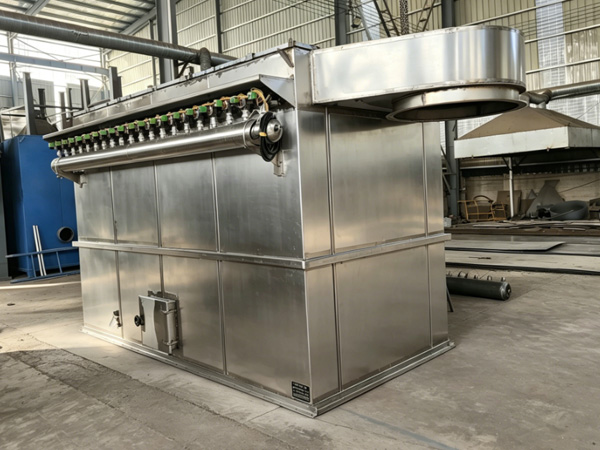
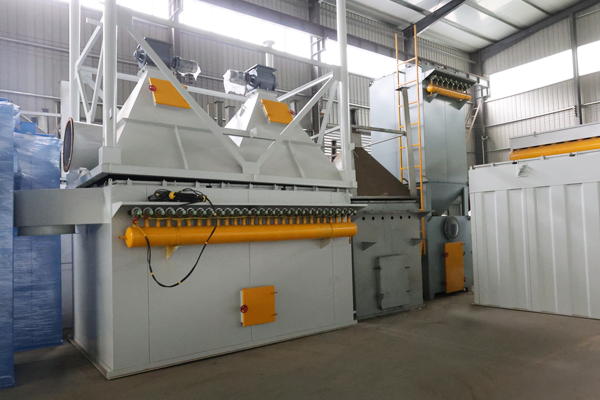
Standard pulse valve configurations include inline valves and right-angle valves. Inline valves connect directly to compressed air supply lines, while right-angle valves direct flow at 90 degrees. The configuration selection depends on available space and installation requirements.
Valve sizes range from 0.5 inches to 3 inches, with selection based on compressed air volume requirements. Larger valves deliver more air volume but require larger compressed air supplies. The valve orifice size directly influences the pulse characteristics and cleaning effectiveness.
Key Performance Parameters
Operating pressure represents the most critical parameter, with typical ranges from 80 to 120 pounds per square inch. Higher pressures create more energetic pulses but increase operational costs and filter stress. The valve must be rated for the specific operating pressure in the facility system.
Response time, measuring the valve open and close speed, determines pulse sharpness. Fast response times create cleaner pulses that improve cleaning efficiency while reducing compressed air consumption. Quality valves provide consistent response times throughout their service life.
Compressed Air Requirements
Compressed air quality significantly impacts valve performance and life. Contaminated air containing moisture, oil, or particles causes valve wear and malfunction. Installing proper filtration and drying equipment upstream of pulse valves protects the investment in cleaning equipment.
Air consumption calculations enable proper compressor sizing. Each pulse consumes a specific volume of compressed air, with total consumption depending on pulse frequency and the number of valves in the system. Matching compressor capacity to system requirements ensures consistent operation.
Control System Integration
Pulse valve control systems range from simple timers to sophisticated programmable controllers. Timer-based controls provide fixed cleaning cycles regardless of operating conditions. Differential pressure controls adjust cleaning frequency based on filter loading, optimizing cleaning efficiency.
Advanced control systems integrate with facility management systems for centralized monitoring and control. Some controllers provide diagnostic information including valve cycle counts and timing variations. This data supports predictive maintenance scheduling and performance optimization.
Installation Best Practices
Proper installation ensures reliable long-term operation. Valve mounting must provide secure attachment that absorbs operational vibrations without loosening. Compressed air supply connections must be properly sized to prevent pressure drops that reduce pulse energy.
Electrical connections must meet applicable codes and provide adequate grounding. Surge protection devices protect electronic controls from electrical disturbances. Professional installation by qualified technicians ensures proper operation from initial startup.
Maintenance Guidelines
Regular maintenance extends valve life and maintains cleaning performance. Periodic inspection of diaphragm and seat surfaces identifies wear conditions. Maintaining proper compressed air quality prevents premature wear from contaminants.
Diaphragm replacement intervals depend on operating conditions but typically range from one to three years. Keeping replacement parts in inventory minimizes downtime during maintenance activities. Many suppliers offer rebuild kits that restore valve performance economically.
Troubleshooting Common Issues
Valve failure to open typically indicates electrical or diaphragm problems. Checking electrical connections and coil resistance identifies electrical issues. Diaphragm damage requires replacement. Valve failure to close indicates spring problems or diaphragm issues.
Weak cleaning pulses may result from low operating pressure, worn diaphragms, or compressed air supply problems. Systematic troubleshooting identifies the specific cause. Recording operating parameters enables trending analysis that identifies developing problems before they cause operational impacts.
Supplier Selection
Working with experienced suppliers ensures proper valve selection for specific applications. Quality suppliers provide technical support that helps identify optimal configurations. Many offer application engineering services that verify selection before procurement.
Total cost of ownership considerations include initial cost, maintenance requirements, and service life. Higher-quality valves from established manufacturers often deliver better value despite higher initial costs. The relatively small investment in quality valves protects the much larger filter and system investment.
Future Developments
Advances in valve technology continue improving performance and reliability. New diaphragm materials extend service life while reducing pressure requirements. Smart valve systems with integrated sensors enable predictive maintenance and performance optimization.
Integration with industrial Internet of Things platforms provides enhanced monitoring and control capabilities. These developments represent the future of pulse cleaning technology, offering facilities improved efficiency and reduced operational costs.
References
1. American Society of Heating, Refrigerating and Air-Conditioning Engineers. (2024). Filter Cleaning Systems Design Guidelines. ASHRAE Publishing.
2. International Filter Media Association. (2023). Pulse Jet Cleaning Technology. IFMA Technical Reports.
3. National Board of Boiler and Pressure Vessel Inspectors. (2024). Compressed Air System Standards. NBBI Publications.
4. European Compressed Air Association. (2023). Industrial Compressed Air Systems Best Practices. ECAA Guidelines.
Global distributors are welcome to contact us for partnership opportunities. We invite distributors worldwide to join our network and grow together in the industrial equipment market.