






Rotary Airlock Valve: Dust Discharge Solutions
Rotary airlock valves provide essential dust discharge and air sealing functions in industrial dust collection systems. These mechanical devices enable continuous dust removal from collection hoppers while maintaining pressure separation between the dirty air stream and the atmosphere. Understanding airlock operation and selection helps facilities optimize their dust collection systems for reliable, maintenance-free operation.
Operating Principles
Rotary airlock valves operate using a rotating impeller with multiple pockets that transport material from the inlet to the discharge. As the impeller rotates, material fills each pocket and is carried to the discharge where it falls out under gravity. This continuous operation enables material handling while preventing air flow through the valve opening.
The tight clearance between the impeller blades and housing maintains the pressure seal. This sealing function proves critical in dust collection applications where pressure differentials must be maintained for proper system operation.
Design Configurations
Rotary airlock valves are available in various configurations to match application requirements. Standard configurations include drop-through valves where material enters from above and discharges below, and blow-through valves designed for pressure transfer applications.
Impeller designs vary based on material characteristics. Standard pocket designs suit free-flowing materials. Specialized designs address abrasive, sticky, or cohesive materials that may cause feeding problems.
Material Construction
Valve construction materials must match application requirements. Cast iron housings provide general-purpose capability at competitive costs. Stainless steel constructions address corrosive materials and sanitary requirements.
Hard-surfaced components address abrasive material handling. Some applications require specialized coatings that extend service life in challenging conditions. Material selection should match the specific application requirements.
Selection Criteria
Proper selection requires analysis of multiple parameters. The material throughput requirements determine the valve size. Operating pressure affects the sealing requirements and drive power needs.
Material characteristics including particle size, moisture content, and abrasiveness influence configuration selection. Consulting with application specialists ensures proper valve selection for specific requirements.
Applications
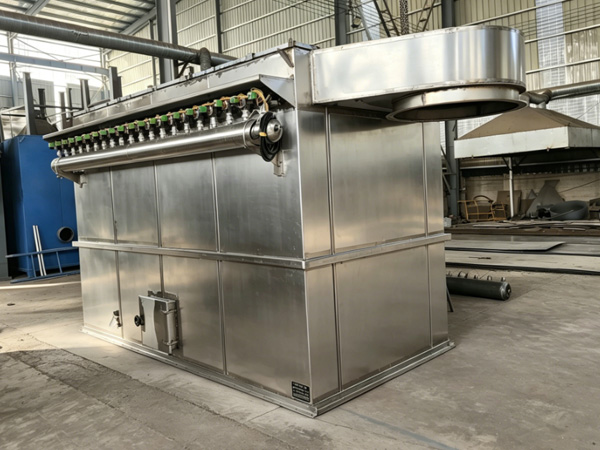
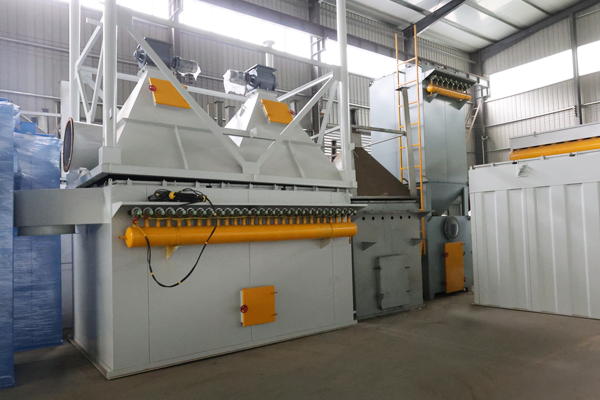
Rotary airlock valves serve critical functions in dust collection and material handling systems. In baghouse applications, these valves discharge collected dust while maintaining system pressure. The reliable operation prevents air bypass that would reduce collection efficiency.
Additional applications include pneumatic conveying systems, weigh feeders, and process equipment. The versatility of rotary airlock designs addresses diverse industrial requirements.
Installation Best Practices
Proper installation ensures reliable long-term operation. Mounting orientation should align with material flow requirements. Inlet and discharge connections must provide smooth material transitions without restrictions.
Drive alignment proves critical for operational reliability. Proper alignment prevents premature seal wear and extends service life. Professional installation ensures proper operation from initial startup.
Drive Systems
Drive systems typically include electric motors coupled through gear reducers to the valve shaft. Motor sizing considers operating pressure and material characteristics. Variable frequency drives enable speed control for applications requiring throughput adjustment.
Some applications use pneumatic drives for explosion-proof requirements or process integration. The drive selection should match the specific application requirements and facility infrastructure.
Maintenance Requirements
Regular maintenance ensures consistent operation and extends equipment life. Seal inspection identifies wear conditions requiring attention. Impeller inspection reveals material-specific wear patterns.
Seal replacement intervals depend on operating conditions but typically range from one to three years. Maintaining proper clearances ensures consistent performance. Working with qualified suppliers ensures proper replacement parts.
Troubleshooting
Common operational issues include binding, excessive leakage, and reduced capacity. Binding often results from material accumulation or misalignment. Excessive leakage indicates seal wear requiring replacement.
Reduced capacity typically indicates impeller wear or material bridging in the feed pockets. Systematic troubleshooting identifies the specific cause and guides corrective action.
Cost Considerations
Initial costs vary based on size, construction, and configuration. Higher-quality valves from established manufacturers often deliver better value through extended service life and reduced maintenance requirements.
The total cost of ownership analysis guides procurement decisions. The relatively small investment in quality valves protects the much larger dust collection system investment.
Future Technology
Advances in seal technology continue improving airlock performance. New materials extend service life in challenging applications. Smart monitoring systems enable predictive maintenance scheduling.
Integration with automated control systems provides enhanced operational capabilities. These developments represent the future of rotary airlock technology.
References
1. American Society of Mechanical Engineers. (2024). Rotary Feeder Standards. ASME Publishing.
2. American Society of Agricultural and Biological Engineers. (2023). Material Handling Equipment Standards. ASABE Technical Reports.
3. International Material Handling Society. (2024). Airlock Selection Guidelines. IMHS Publications.
4. European Mechanical Handling Association. (2023). Rotary Valve Design Best Practices. EMHA Technical Reports.
Global distributors are welcome to contact us for partnership opportunities. We invite distributors worldwide to join our network and grow together in the industrial equipment market.