






Screw Conveyors in Dust Collection Systems: Design and Maintenance
Introduction
Collecting dust is only half the job; getting it out of the collector and to a disposal point is the other half. A screw conveyor, also called a spiral conveyor, is one of the most common mechanical devices for moving bulk material in an industrial plant. In a dust collection system it typically sits below a hopper or filter, taking the collected dust away in a closed tube. Its simplicity is deceptive: a correctly specified screw conveyor prevents dust leakage, resists blockage, and runs for years with little attention, while a poor one becomes a constant source of spills and downtime. This guide explains how it works, how to size it, and how to keep it running.
What a Screw Conveyor Does
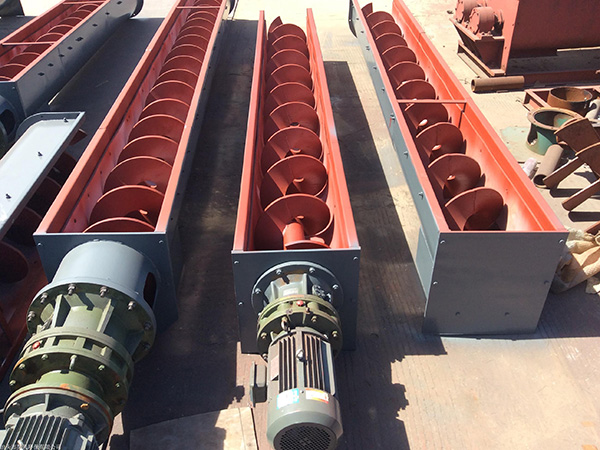
A screw conveyor is a mechanical conveying device for automated bulk material transport. It consists of a screw shaft with helical blades, a trough or enclosed casing, a drive motor, bearings, and inlet and discharge openings. Materials suitable for it include powdery and granular products such as grain, sand, cement, fertiliser, plastic granules, and a wide range of industrial raw materials. In dust collection duties, the material is typically the fine particulate captured by a filter and dropped through a hopper. The conveyor moves it horizontally, on an incline, or vertically to the next stage of handling.
How It Works
The principle is straightforward. As the screw shaft rotates, the helical blades push material forward through the casing. The thrust of the rotating helix moves the material along while the casing prevents it from spreading sideways. Because the conveyor is a fully enclosed structure, dust is contained rather than escaping into the workshop, which improves the working environment and reduces material loss. The drive can be arranged at one end, and the speed can be selected to match the required throughput. With no complex mechanisms, the device is reliable and comparatively easy to maintain.
Key Components and Their Roles
Several parts determine performance. The screw shaft and helical blades do the actual conveying; the blade diameter, pitch, and thickness influence capacity and suitability for different materials. The trough or casing supports the material and, in dust applications, keeps it sealed. The drive motor and gearbox provide torque, which must be sufficient for the load and the length of the run. Bearings support the shaft at intervals, and the inlet and discharge ports connect the conveyor to the hopper and the collection point. Understanding these parts helps pinpoint the cause of most operating problems.
Selection and Sizing
Capacity depends on the screw diameter, rotational speed, the fill level, and the characteristics of the material. Light, free-flowing powders can be conveyed at higher speeds, while dense, abrasive, or cohesive materials need larger diameters, lower speeds, and more robust construction. The length of the conveyor and any incline reduce the effective capacity, so allowances must be made for both. In dusty duties the fill level is usually kept moderate to prevent material from packing in the casing and overloading the drive. Choosing on diameter alone is a common mistake; the material behaviour should drive the decision.
Layout in a Dust Collection System
The conveyor is usually installed beneath a series of hoppers, collecting dust from several discharge points and moving it to a single bin or discharge chute. The inlet should allow material to fall freely into the casing without creating a blockage, and the discharge should have a clear path out. Where several collectors feed one conveyor, the drive and shaft should be sized for the combined load. Long runs may require intermediate bearings and, in some cases, multiple drive sections. Keeping the layout short and direct reduces the power needed and the chances of material building up inside the tube.
Common Problems and Causes
Blockage is the most frequent issue, usually caused by material that is too wet, too cohesive, or fed faster than the conveyor can carry it away. Overloading shows up as high drive current or a tripped motor. Excessive wear occurs with abrasive dust, particularly on the blades and the casing near the inlet. Dust leakage at seals indicates worn packing or a damaged cover. Noise and vibration can point to misalignment, a bent shaft, or a bearing problem. Most of these faults are easier to prevent than to repair, through correct sizing and attention to the material's behaviour.
Installation and Maintenance
Install the conveyor on a stable base, aligned so the shaft turns freely and the casing is level where the design expects it. Ensure all access covers are sealed to contain dust, and confirm that the discharge is unobstructed before starting. During operation, monitor drive current and listen for changes in sound. Lubricate bearings according to the duty, and inspect blades and casing for wear at set intervals. Where the material is abrasive, plan blade replacement before wear reduces capacity. After a shutdown, avoid leaving heavy material in the casing, since a restarted conveyor under load is a common cause of drive failures.
Materials and Wear Considerations
The casing and blades should reflect the character of the dust. Mild steel is adequate for most general duties, while stainless steel is used where the material is corrosive or where product purity matters. Abrasive dust accelerates wear on the blades, the casing near the inlet, and the bearings at the discharge end; in those cases, heavier flight thickness and hard-facing or replaceable liners extension service life. Reducing the shaft speed also lowers wear, provided capacity remains sufficient. Because wear is gradual, its effect is often noticed only when throughput falls or the drive draws more current. Measuring blade condition during planned shutdowns allows replacement before a failure interrupts the dust collection system.
Frequently Asked Questions
Can a screw conveyor handle inclined or vertical transport?
Yes. Screw conveyors can be arranged horizontally, on an incline, or vertically, but capacity falls as the angle increases and may require a shorter pitch, higher speed, or a different design to keep material moving reliably.
Why does my conveyor keep blocking?
Blocking is usually caused by moist or cohesive material, an overloaded inlet, or a speed that is too low for the feed rate. Check the material condition and the balance between feed and conveying capacity.
How do I choose the right size?
Base the choice on material density, flow characteristics, throughput, and run length rather than diameter alone. Allow for incline and for any accumulation in the casing.
Can it handle abrasive dust?
Yes, but specify heavier blades, wear-resistant materials, and appropriate speeds. Expect to inspect and replace wear parts on a planned schedule.
Conclusion
A screw conveyor is the workhorse that turns collected dust into manageable waste. Reliable operation comes from matching diameter, speed, and construction to the material, keeping the layout short, and maintaining seals, bearings, and blades. When these basics are respected, the conveyor contains dust effectively and delivers stable throughput with minimal intervention. Botou Ledi Environmental Protection Machinery Equipment Co., Ltd. supplies screw conveyors alongside airlock valves and dust collection equipment, so the discharge and conveying section can be designed to suit the collector it serves.
References
[1] U.S. OSHA 29 CFR 1910.94 – Ventilation and dust control requirements in industrial environments.
[2] NFPA 654:2020 – Standard for prevention of fire and dust explosions from combustible particulate solids.
[3] ISO 16890-1:2016 – Air filters for general ventilation, technical specifications and classification.
[4] Directive 2014/34/EU (ATEX) – Equipment and protective systems for potentially explosive atmospheres.
[5] ISO 11057:2011 – Air quality, test method for filtration characterization of cleanable filter media.
[6] EN 1822-1:2019 – High efficiency air filters (EPA, HEPA and ULPA), classification and performance testing.
[7] ISO 14683:2017 – Cleanrooms and associated controlled environments, building construction and design concepts.