






Single Baghouse Dust Collector: Portable Industrial Dust Control
Single baghouse dust collectors provide flexible dust control solutions for workshops, small facilities, and localized emission points. These compact systems combine the proven filtration technology of traditional baghouses in smaller, more portable configurations. Their mobility and simplicity make them ideal solutions for applications where fixed dust collection infrastructure proves impractical or cost-prohibitive.
System Design
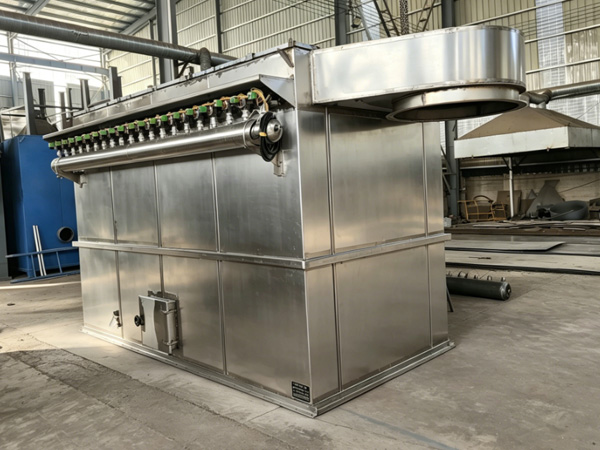
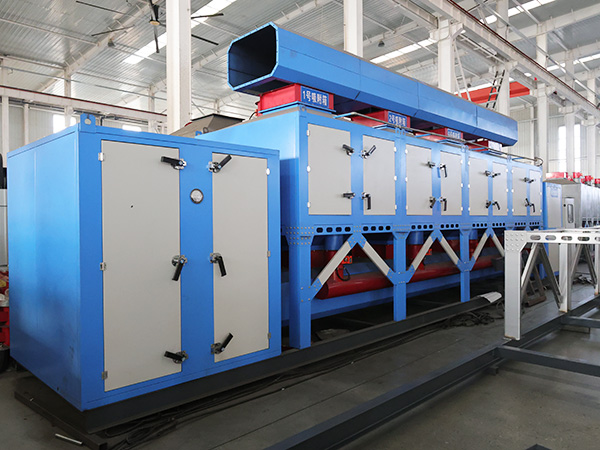
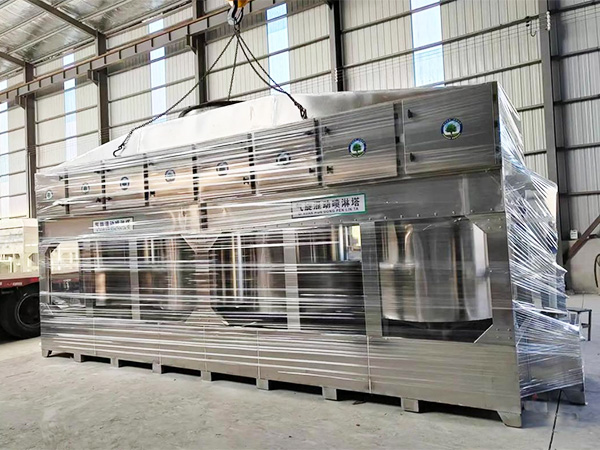
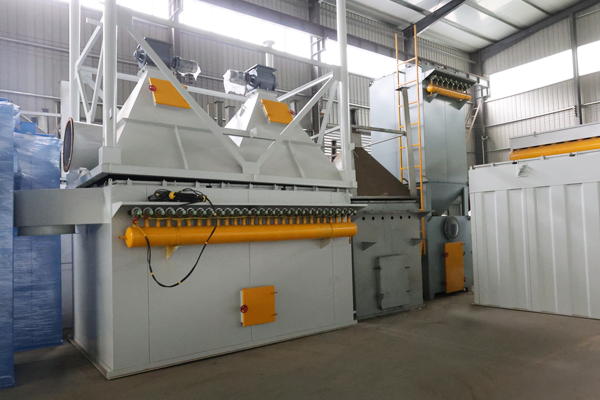
Single baghouse collectors integrate all components in compact packages that include the filter housing, fan motor assembly, controls, and collection hopper. This integrated design simplifies installation and enables relocation as production needs change. Standard configurations include wheeled bases for mobility and fixed mounting options for permanent installations.
Filter configurations typically employ multiple filter bags sized for the specific airflow requirements. The compact housing design maximizes filtration area within the available footprint while maintaining accessibility for maintenance activities.
Applications
Single baghouse collectors serve diverse applications in manufacturing environments. Welding operations use portable units for mobile fume extraction at various workstations. Small fabrication shops benefit from the flexibility of relocating dust control as projects change.
Additional applications include grinding operations, polishing, and material handling where localized dust control suffices. The compact size enables placement in confined spaces that cannot accommodate larger systems. Many facilities use single baghouse units as supplements to central dust collection systems.
Selection Criteria
Proper selection requires analysis of airflow requirements and dust characteristics. The airflow, measured in cubic feet per minute, determines the collector size needed. Calculating the total airflow from all emission points ensures adequate capacity.
Dust loading and particle characteristics guide filter selection. Heavier loading applications require larger collectors or more frequent maintenance. Consulting with application specialists ensures proper system selection.
Installation
Installation simplicity represents a key advantage of single baghouse collectors. Minimal ductwork connects the collector to emission points. Some applications use flexible hoses for temporary capture at various workstations.
Electrical connections require proper sizing for the fan motor. Proper grounding and electrical protection ensure safe operation. Following manufacturer guidelines ensures warranty compliance.
Operation
Single baghouse collectors typically operate on simple on-off controls. The fan runs continuously during production activities, drawing contaminated air through the filter media. Collected dust accumulates in the hopper for periodic removal.
Some systems incorporate timer-based or sensor-based cleaning for extended filter life. The cleaning method selection depends on dust characteristics and operational requirements.
Maintenance
Regular maintenance ensures consistent performance and extends equipment life. Filter inspection identifies accumulated loading or damage. Hopper emptying schedules depend on dust generation rates.
Filter replacement intervals vary based on application conditions but typically range from one to three years. Maintaining spare filters minimizes production disruptions during replacement activities.
Advantages
The mobility and flexibility of single baghouse collectors provide significant advantages for dynamic production environments. Facilities can relocate dust control as needs change without permanent installation investments.
Lower initial costs compared to central dust collection systems make single baghouse units attractive for smaller applications. The compact footprint suits facilities with limited space or temporary needs.
Limitations
Single baghouse collectors suit applications with limited dust generation and airflow requirements. Very large or multiple emission points may require central collection systems. The analysis of specific requirements guides proper technology selection.
Higher maintenance requirements per unit compared to central systems can increase operational costs for large facilities. Total cost analysis should consider all factors when making procurement decisions.
Cost Considerations
System costs vary based on capacity and configuration. Lower initial costs make single baghouse collectors accessible for smaller operations. The total cost of ownership analysis guides procurement decisions.
Working with experienced suppliers ensures proper system selection for specific applications. Many offer application support that helps verify proper selection before purchase.
Future Technology
Advances in filter media and system design continue improving single baghouse collector performance. More efficient fans reduce energy consumption. Smart controls optimize operation based on real-time conditions.
Integration with facility management systems enables coordinated operation. These developments represent the future of portable dust collection technology.
References
1. American Conference of Governmental Industrial Hygienists. (2024). Industrial Ventilation Guidelines. ACGIH Publishing.
2. U.S. Environmental Protection Agency. (2023). Control Technology for Particulate Emissions. EPA Documentation.
3. National Institute for Occupational Safety and Health. (2024). Dust Control in Manufacturing. NIOSH Publications.
4. European Industrial Equipment Association. (2023). Portable Dust Collector Standards. EIEA Technical Reports.
Global distributors are welcome to contact us for partnership opportunities. We invite distributors worldwide to join our network and grow together in the industrial equipment market.