






Stainless Steel Dust Collector for Corrosive Environments: Material Selection and Design
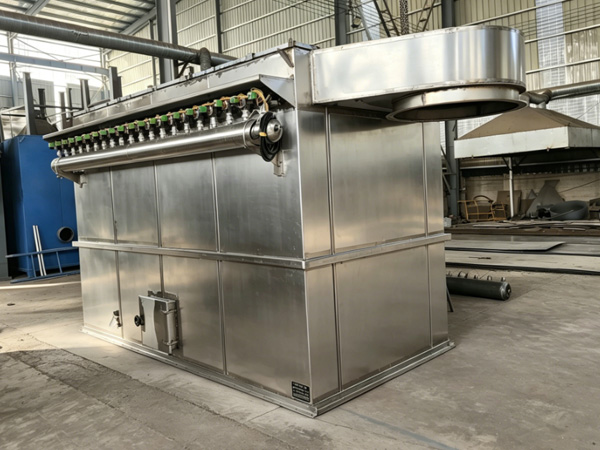
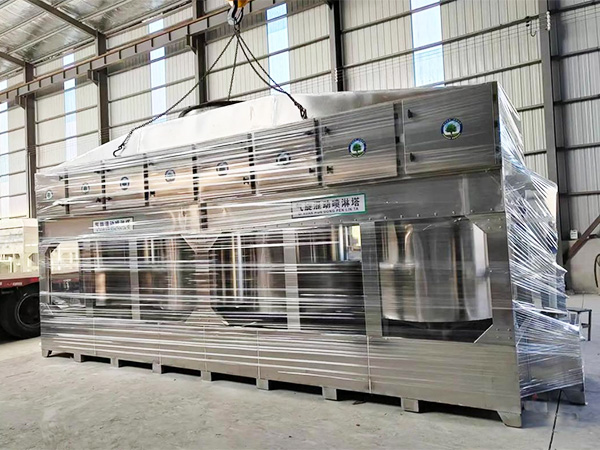
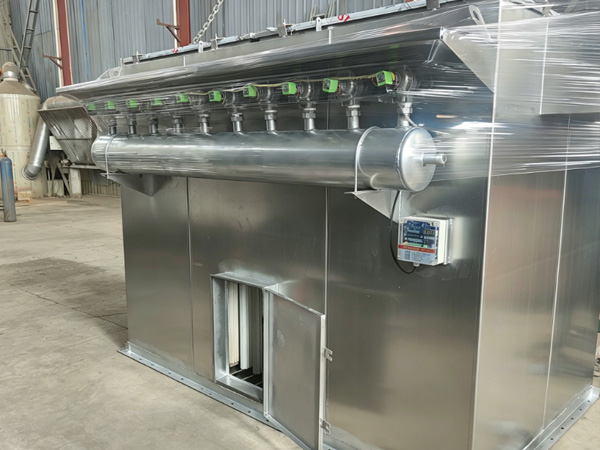
Industrial processes involving acidic gases, halogenated compounds, or high-humidity conditions demand dust collection equipment capable of withstanding aggressive chemical attacks while maintaining structural integrity and filtration performance. Stainless steel dust collectors, engineered and fabricated by specialized environmental equipment manufacturers, provide essential corrosion resistance in chemical processing, pharmaceutical manufacturing, food production, and wastewater treatment applications. Proper material selection, surface treatment, and design considerations ensure reliable long-term operation in environments that would rapidly degrade carbon steel alternatives.
Material Grade Selection for Specific Corrosive Media
Austenitic stainless steels (304, 316, 317L) represent the baseline choice for mildly corrosive environments, with molybdenum-containing grades (316, 317L) providing enhanced resistance to pitting and crevice corrosion in chloride-containing atmospheres. Type 316L, with 2-3% molybdenum and low carbon content, resists corrosion from sulfuric acid, acetic acid, and many organic compounds at moderate temperatures and concentrations. For more aggressive chemical environments, duplex stainless steels (2205, 2507) offer superior resistance to chloride stress corrosion cracking, pitting, and erosion-corrosion while providing higher mechanical strength than austenitic grades.
Exceptional corrosive conditions involving strong mineral acids, halogens, or extreme pH values necessitate specialty alloys including Hastelloy C-276, Inconel 625, or titanium. These high-alloy materials, while carrying substantial cost premiums, deliver corrosion resistance unattainable with standard stainless steels. The material selection process must consider not only the primary process stream but also cleaning chemicals, accidental releases, and atmospheric corrosion potential. Reputable dust collector suppliers maintain corrosion resistance databases and can provide material recommendations based on detailed chemical exposure profiles.
Surface Treatments and Passivation Requirements
The corrosion resistance of stainless steel relies on a thin, adherent chromium oxide passive film that self-heals when damaged in oxidizing environments. Fabrication processes including cutting, welding, and grinding can damage this passive layer, creating zones susceptible to galvanic corrosion or preferential attack. Passivation per ASTM A967 or AMS 2700, utilizing nitric acid or citric acid solutions, removes free iron contamination and promotes reforming of the protective oxide layer, restoring optimal corrosion resistance after fabrication.
Electropolishing provides superior surface finish and enhanced corrosion resistance compared to mechanical polishing or standard passivation. By removing a controlled layer of surface metal, electropolishing eliminates micro-surface imperfections, reduces surface roughness (typically achieving Ra < 0.5 micrometers), and creates a uniformly passive surface with enhanced resistance to pitting and crevice corrosion. Sanitary and pharmaceutical applications frequently specify electropolished stainless steel dust collectors to ensure product purity, cleanability, and compliance with FDA or EHEDG hygiene standards.
Welding Considerations and Heat Tint Removal
Welding stainless steel dust collector components requires careful control of heat input, shielding gas purity, and post-weld treatment to preserve corrosion resistance. TIG (GTAW) welding with argon shielding gas produces clean, contamination-free welds suitable for critical service, while MIG (GMAW) welding offers higher deposition rates for non-critical assemblies. Welding procedures must address intergranular carbide precipitation (sensitization) in the heat-affected zone, particularly for non-low-carbon grades, to prevent intergranular corrosion susceptibility.
Heat tint (oxidation discoloration) adjacent to stainless steel welds indicates chromium depletion and must be removed to restore corrosion resistance. Mechanical methods (stainless steel wire brush, abrasive blasting with stainless steel media) or chemical pickling (nitric-hydrofluoric acid mixtures) effectively remove heat tint and reformed passive layer. Pickling paste applications, followed by thorough rinsing, provide controlled chemical removal of heat-affected surface layers and are particularly valuable for field welds or complex geometries where electropolishing is impractical.
Design Features for Corrosive Service Longevity
Stainless steel dust collector design must address not only material selection but also geometric features that influence corrosion initiation and propagation. Smooth interior surfaces (achieved through weld grinding, electropolishing, or specialized coatings) prevent dust accumulation and moisture retention that could create corrosive microenvironments. Drainage slopes, weep holes, and access for washing/drying prevent standing liquid accumulation that accelerates localized corrosion, particularly in washdown or high-humidity applications.
Fastener selection warrants particular attention in stainless steel dust collector assemblies, as galvanic coupling between dissimilar metals can cause rapid corrosion of the less noble component. Using stainless steel fasteners matching the parent material grade, or specifying non-metallic alternatives (nylon, PTFE, fiberglass-reinforced polymer) for non-structural connections, eliminates galvanic corrosion concerns. Leading dust collector manufacturers provide comprehensive material compatibility charts and design guidance to ensure all wetted surfaces and structural connections maintain integrity throughout the equipment design life.
References
ASTM A967 - Standard Specification for Chemical Passivation Treatments for Stainless Steel Parts
ASME BPE - Bioprocessing Equipment (for sanitary applications)
NACE MR0175/ISO 15156 - Petroleum and natural gas industries materials for use in H2S-containing environments
ISO 8501-1 - Preparation of steel substrates before application of paints and related products
ASTM G48 - Standard Test Methods for Fitting and Crevice Corrosion Resistance of Stainless Steels