






Stainless Steel Dust Collectors for Corrosive and Hygienic Applications
Introduction
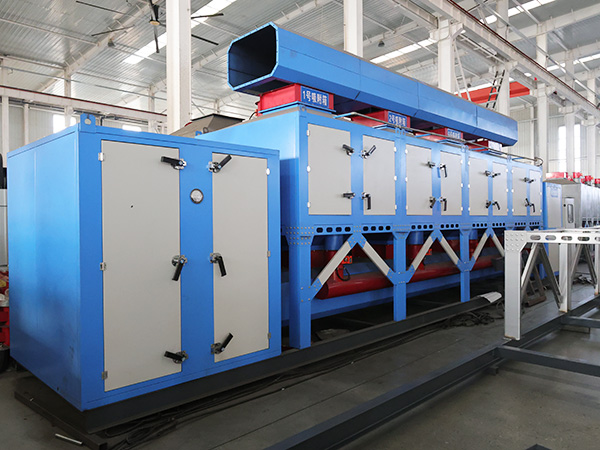
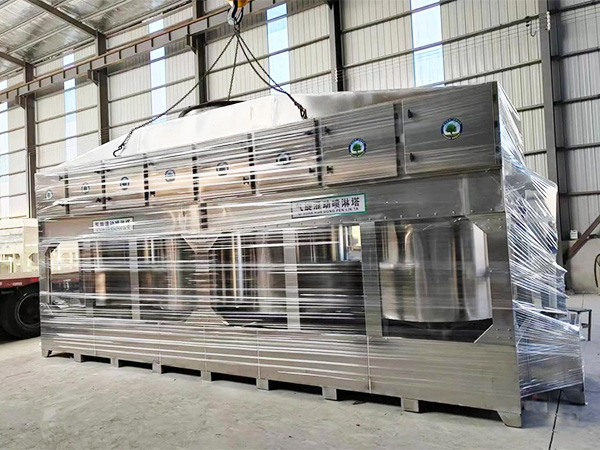
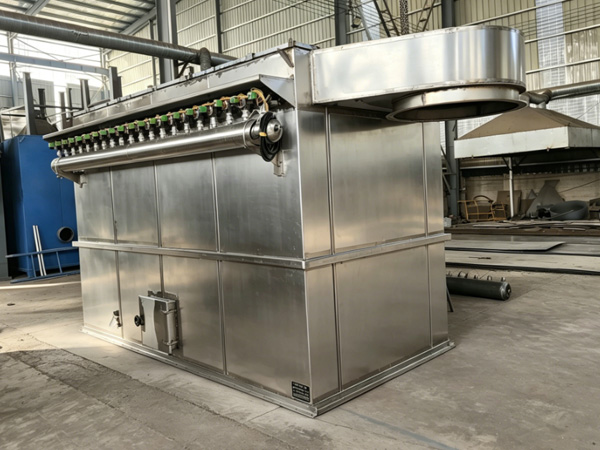
Most dust collectors are built from carbon steel, and for dry, benign dust that is perfectly adequate. But when the gas stream is humid, corrosive, chemically active, or subject to strict hygiene requirements, carbon steel becomes a liability. A stainless steel dust collector is designed for exactly those conditions. Its shell, hopper, and inlet are made from industrial-grade stainless steel, combining corrosion resistance with efficient filtration in a single machine. This guide explains where stainless construction earns its cost, how the equipment works, and what to look for when selecting a unit for a harsh environment.
Where Stainless Steel Is Necessary
The decision usually follows the nature of the gas and the dust. High humidity, corrosive gases, chemical pollutants, and high-temperature dust all attack ordinary carbon steel, leading to rust, weakening, and eventually failure of the casing. Food, pharmaceutical, and chemical products may also demand a clean, non-reactive surface that will not contaminate the material or harbour residue. In these situations, a stainless steel collector avoids the damage that harsh conditions would cause to a standard unit and greatly extends the service life of the equipment. The higher purchase price is recovered through reliability and reduced replacement.
Material Grades: 304 and 316L
Two grades dominate. Type 304 stainless steel offers good general corrosion resistance and is sufficient for many humid or mildly corrosive environments. Type 316L contains molybdenum, improving resistance to chlorides and more aggressive chemicals, and is chosen where the process involves salts, coastal atmospheres, or stronger acids and alkalis. The "L" grade has a lower carbon content, improving weld integrity in corrosive service. The right grade depends on the specific chemical environment; specifying 304 where chlorides are present is a common and costly mistake, while 316L is unnecessary for benign dust.
How the Collector Works
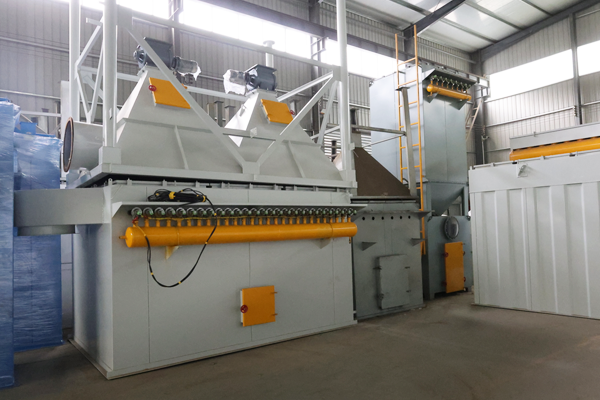
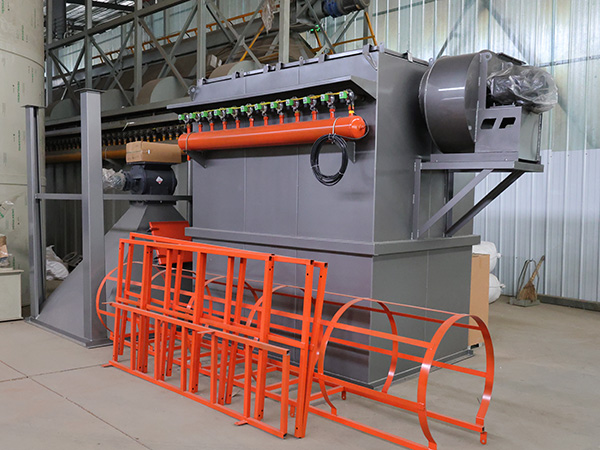
The filtration principle is the same as in a conventional baghouse or cartridge collector. Under the action of a fan, dust-laden air from the process is drawn into the equipment. Coarse particles settle in the hopper, while finer dust travels upward and is captured on the surface of the filter elements. Clean air passes through the media into a clean-air plenum and is discharged. The filter elements can be filter bags or filter cartridges, selected according to the actual application. Periodic pulse-jet cleaning removes the accumulated dust cake and returns it to the hopper for discharge. What changes in a stainless unit is the construction, not the underlying process.
Construction Details That Matter
Look beyond the grade of steel to how the machine is built. Continuous welds, smooth internal surfaces, and sealed access doors prevent moisture from collecting in crevices where corrosion can start. The hopper should have adequate slope so dust does not bridge, and discharge should be through a sealed device that prevents air leakage. Mounting and supports should isolate vibration without creating trapped pockets of moisture. For hygienic applications, surfaces may need to be finished to a standard that allows thorough cleaning. These details distinguish a collector that merely uses stainless steel from one designed for long life in corrosive service.
Filter Media Selection
The corrosion resistance of the shell is only part of the equation; the filter media must also suit the gas. Polyester is common for general low-temperature dust, polyphenylene sulfide handles higher temperatures and corrosive flue gas, and polytetrafluoroethylene offers exceptional chemical and thermal resistance. Fiberglass is used for very high-temperature applications. Where moisture and sticky dust are present, a surface-treated or coated medium resists blinding and cleans more reliably. The media choice should reflect temperature, chemistry, and moisture together, since a mismatch can shorten filter life even in a perfectly constructed stainless housing.
Safety and Compliance
Stainless construction addresses corrosion, but it does not by itself address combustible dust. Where the dust can ignite, protection requirements still apply, including suitable electrical components, earthing, and consideration of venting or suppression. Emission limits must also be met through correct media selection and adequate filtration area. Plants should confirm that the unit is suitable for the specific dust and gas, and that the discharge arrangement prevents collected dust from escaping. A collector that resists corrosion but ignores safety is only solving half of the problem.
Selection Checklist
Begin with the gas composition, temperature, and moisture level, and use those to choose between 304 and 316L construction. Decide whether bags or cartridges suit the dust and the available space. Confirm the required filtration area and the cleaning-air supply, and check that the discharge can connect to an airlock or conveying system. For hygienic or chemical duties, specify the surface finish and cleaning access. Finally, review safety requirements for the dust involved. A supplier that asks about the gas chemistry before quoting is more likely to deliver a unit that lasts.
Fabrication and Finish Quality
The grade of steel tells only part of the story; workmanship determines how well the collector resists its environment. Continuous, smooth welds avoid crevices where moisture and chemicals can collect, and internal surfaces should be free of sharp edges that trap dust. Access doors and seals must close tightly so that humid air cannot enter and condense on cool surfaces. For hygienic applications, the interior may be ground or polished to a defined finish to allow effective cleaning and prevent residue buildup. After fabrication, passivation helps restore the protective oxide layer on stainless surfaces. These details are easy to specify on paper and difficult to add later, so they belong in the purchase discussion.
Frequently Asked Questions
Is a stainless collector worth the extra cost?
When the gas is humid, corrosive, or chemically active, or when hygiene matters, yes. Resistance to corrosion prevents early structural failure and reduces downtime and replacement cost over the life of the plant.
How do I choose between 304 and 316L?
Choose 304 for general humid or mildly corrosive service and 316L where chlorides, coastal air, or stronger chemicals are present. Testing the gas or liquid chemistry removes the guesswork.
Can it use either bags or cartridges?
Yes. The filter elements can be selected to suit the application. Cartridges save space, while bags are often preferred for higher dust loads or certain media types.
Does stainless steel eliminate the need for other protections?
No. It solves corrosion only. Combustible dust safety, emission compliance, and correct discharge arrangements must be addressed separately.
Conclusion
A stainless steel dust collector is the right answer when the environment would destroy a standard unit. Its value comes from selecting the correct grade, building the vessel to resist moisture and chemical attack, choosing compatible filter media, and addressing safety and discharge properly. Specified this way, it delivers stable filtration and a much longer service life in demanding conditions. Botou Ledi Environmental Protection Machinery Equipment Co., Ltd. supplies stainless steel collectors together with filter elements, valves, and discharge equipment, so the complete system can be matched to the real operating environment.
References
[1] ISO 16890-1:2016 – Air filters for general ventilation, technical specifications and classification.
[2] ISO 11057:2011 – Air quality, test method for filtration characterization of cleanable filter media.
[3] EN 1822-1:2019 – High efficiency air filters (EPA, HEPA and ULPA), classification and performance testing.
[4] U.S. OSHA 29 CFR 1910.94 – Ventilation requirements for control of dust in occupational environments.
[5] NFPA 654:2020 – Standard for prevention of fire and dust explosions from combustible particulate solids.
[6] Directive 2014/34/EU (ATEX) – Equipment and protective systems for potentially explosive atmospheres.
[7] ISO 14683:2017 – Cleanrooms and associated controlled environments, building construction and design concepts.