






What Is a Baghouse Dust Collector and How Does It Work?
In modern industrial production, controlling air pollution and maintaining a clean working environment are of vital importance. Among the most widely utilized air filtration systems in industries such as cement, steel, power generation, and chemicals is the baghouse dust collector. But what exactly is this device, and how does it operate? This article explains it in a simple and practical manner. This article outlines the core principles, key components, working processes, and applications of baghouse dust collectors, helping readers gain a comprehensive understanding of this essential industrial air pollution control equipment.
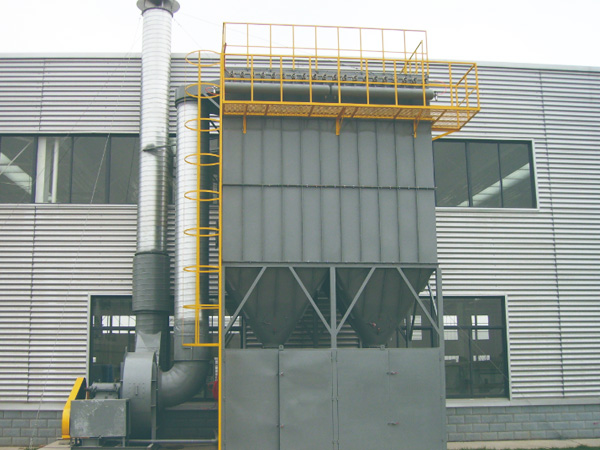
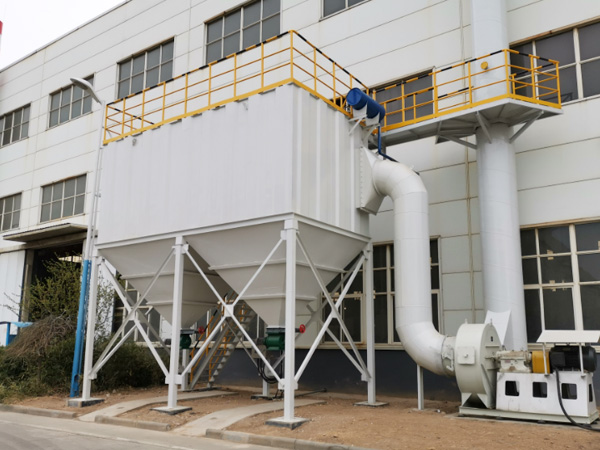
What Is a Baghouse Dust Collector?
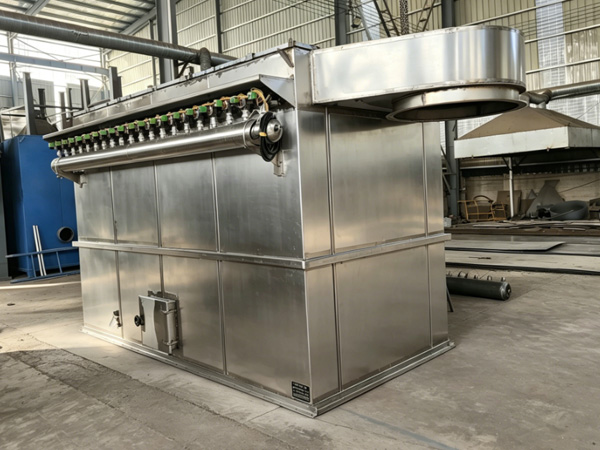
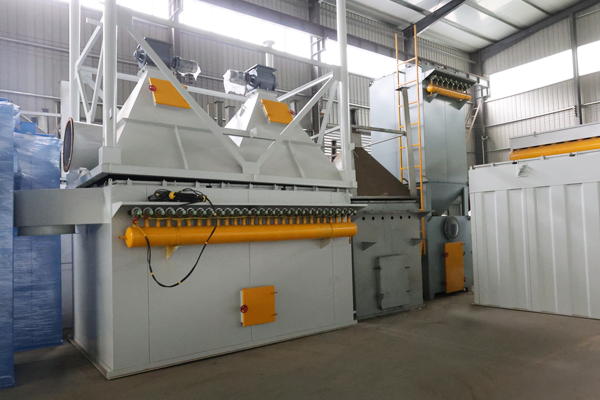
A baghouse dust collector, also known as a fabric filter dust collector, is an industrial air pollution control device specifically designed to capture dust particles from exhaust gases. Its working principle involves passing dusty air through a set of fabric filter bags, which trap fine particles while allowing clean air to pass through unimpeded. In simple terms, it functions like a large-scale industrial vacuum cleaner, continuously removing dust from the air in factories and processing facilities to maintain air quality.
Key Components of a Baghouse Dust Collector
A typical baghouse dust collection system comprises several key components that work together to ensure efficient dust removal:
1. Filter Bags
As the core component of the system, filter bags are made from materials such as polyester, aramid, or fiberglass. Their primary function is to capture dust particles from the passing air.
2. Bag Cage
This is a metal frame designed to support the filter bags, ensuring they remain open and in shape during the operation of the dust collector.
3. Hopper
Located at the bottom of the baghouse system, the hopper is responsible for collecting the dust that falls off the filter bags after the cleaning process.
4. Cleaning System
This system is used to remove dust accumulated on the filter bags, and it typically adopts methods such as pulse-jet, mechanical shaking, or reverse air cleaning.
5. Inlet and Outlet Ducts
The inlet duct guides dusty exhaust air into the baghouse system, while the outlet duct allows the filtered clean air to be discharged from the system.
How Does a Baghouse Dust Collector Work?
The working process of a baghouse dust collector can be divided into four main steps, which are simple and efficient:
Step 1: Dusty Air Enters the System
Industrial exhaust gases containing dust particles are drawn into the baghouse dust collector through the inlet duct by a fan or suction device.
Step 2: Filtration Through Fabric Bags
As the dusty air flows through the fabric filter bags, the fine dust particles are trapped on the surface of the bags, while the clean air passes through the fabric and moves toward the outlet.
Step 3: Dust Cleaning Process
Over time, dust particles accumulate on the surface of the filter bags, which can reduce the filtration efficiency. At this point, the cleaning system is activated—usually using pulse-jet air bursts, mechanical shaking, or reverse airflow—to remove the accumulated dust from the bags, ensuring they can continue to work efficiently.
Step 4: Dust Collection and Removal
The dust removed from the filter bags falls into the hopper at the bottom of the system. It is then discharged periodically for centralized disposal or recycling, depending on the nature of the dust.
Types of Baghouse Dust Collectors
Different industries have varying dust control needs, so baghouse dust collectors come in different designs. The most common types include:
1. Pulse Jet Baghouse
This is the most widely used type of baghouse dust collector. It uses compressed air pulses to clean the filter bags, allowing the system to operate continuously without shutting down for cleaning.
2. Shaker Baghouse
This type uses mechanical shaking to remove dust from the filter bags. It is relatively simple in structure and suitable for small to medium-scale dust control scenarios.
3. Reverse Air Baghouse
It adopts reverse airflow to clean the filter bags slowly and gently, which is suitable for filter bags that are sensitive to mechanical damage and require gentle cleaning.
Advantages of Baghouse Dust Collectors
Baghouse dust collectors are widely used in various industries due to their numerous advantages:
High filtration efficiency, which can reach up to 90%, effectively capturing fine dust particles
Suitable for handling fine and hazardous dust, ensuring environmental and worker safety
Supports continuous operation with minimal downtime, improving industrial production efficiency
Customizable design to meet the specific dust control needs of different industries
Helps enterprises meet strict environmental protection regulations and avoid penalties
Common Applications
Baghouse dust collectors have a wide range of applications in various industrial fields, including:
Cement plants: Controlling dust generated during cement production and transportation
Steel and metallurgy factories: Capturing dust from smelting, rolling, and other processes
Power plants: Removing dust from coal combustion and other production links
Chemical processing: Controlling dust and harmful particles generated during chemical reactions
Food and pharmaceutical production: Ensuring clean production environments to meet hygiene standards
Woodworking and furniture manufacturing: Capturing wood dust generated during processing
Why Baghouse Dust Collectors Are Important
With the increasing stringency of environmental protection regulations around the world, controlling industrial emissions is no longer an option but a mandatory requirement. Baghouse dust collectors play a crucial role in helping enterprises:
Reduce air pollution and protect the ecological environment
Prevent dust from endangering worker health and reducing occupational diseases
Avoid dust accumulation on equipment, improving the service life of industrial equipment
Comply with national and local environmental protection standards and maintain the enterprise’s reputation
Conclusion
A baghouse dust collector is one of the most effective and reliable solutions for industrial dust control. By using fabric filter bags to capture airborne dust particles, it ensures cleaner air in industrial sites, safer working environments, and compliance with environmental protection standards. Whether in heavy industries such as cement and steel or in fine processing fields such as food and pharmaceuticals, baghouse dust collection systems remain a critical component of modern industrial air pollution control technology.
References
GB/T 7714:Baghouse Dust Collectors: Principles and Applications in Industrial Air Pollution Control. Journal of Environmental Engineering
MLA:Filter Bag Materials for Baghouse Dust Collectors: A Review. Journal of Materials Science in Industry
APA:Applications of Baghouse Dust Collectors in Food and Pharmaceutical Industries. Journal of Clean Production